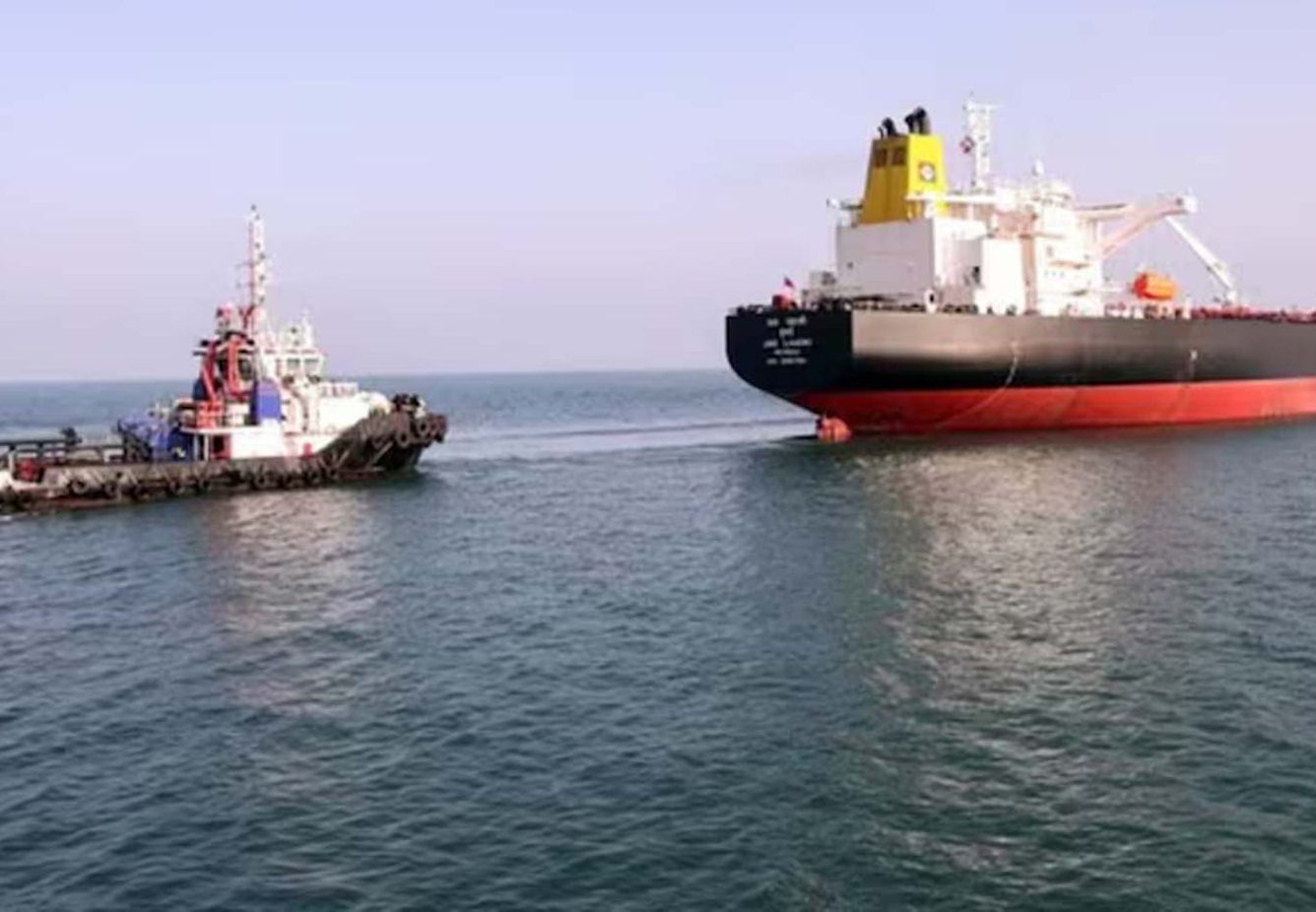
India News : Rising tensions in the Middle East are affecting India’s energy supply, as 28 oil and gas tankers bound for the country remain stuck near the Strait of Hormuz and the Persian Gulf. Among these, 10 fly foreign flags while 18 are Indian-flagged vessels, carrying crude oil, LPG, and LNG to India.
In a briefing, Rajesh Kumar Sinha, Special Secretary at the Ministry of Ports, Shipping and Waterways, detailed the breakdown: foreign vessels include three LPG tankers, four crude oil tankers, and three LNG carriers, while Indian-flagged ships carry a mix of LPG, LNG, and crude oil. The tankers stranded in the strategic waterway are part of a larger group of approximately 500 vessels affected in the region.
A total of 485 Indian seafarers are on board these ships, prompting the government to prioritize their safe evacuation. So far, eight Indian vessels have been safely escorted out. Among them are two major LPG tankers, BW TYR and BW ELM, carrying a combined 94,000 tons of LPG. One of these is expected to arrive in India today, while the other is due by April 1.
Earlier arrivals include Pine Gas and Jag Vasant, which brought 92,612 tons of LPG to India on March 26. In addition, MT Shivalik and MT Nanda Devi reached Mundra and Kandla ports on March 16 and 17, respectively. Another vessel, Jag Ladki, carrying 80,886 tons of crude oil from the UAE, docked at Mundra Port on March 18.

The Indian Navy is actively monitoring the situation to ensure the safe transit of Indian-flagged ships, having already assisted six vessels. Officials warn that not only the Strait of Hormuz but also its surrounding waters are considered high-risk zones due to escalating tensions.
The crisis highlights the strategic importance of the Strait of Hormuz, a critical chokepoint through which a significant portion of India’s energy imports pass. Authorities continue to coordinate closely with international partners to manage maritime safety and maintain the steady flow of oil and gas supplies to India.