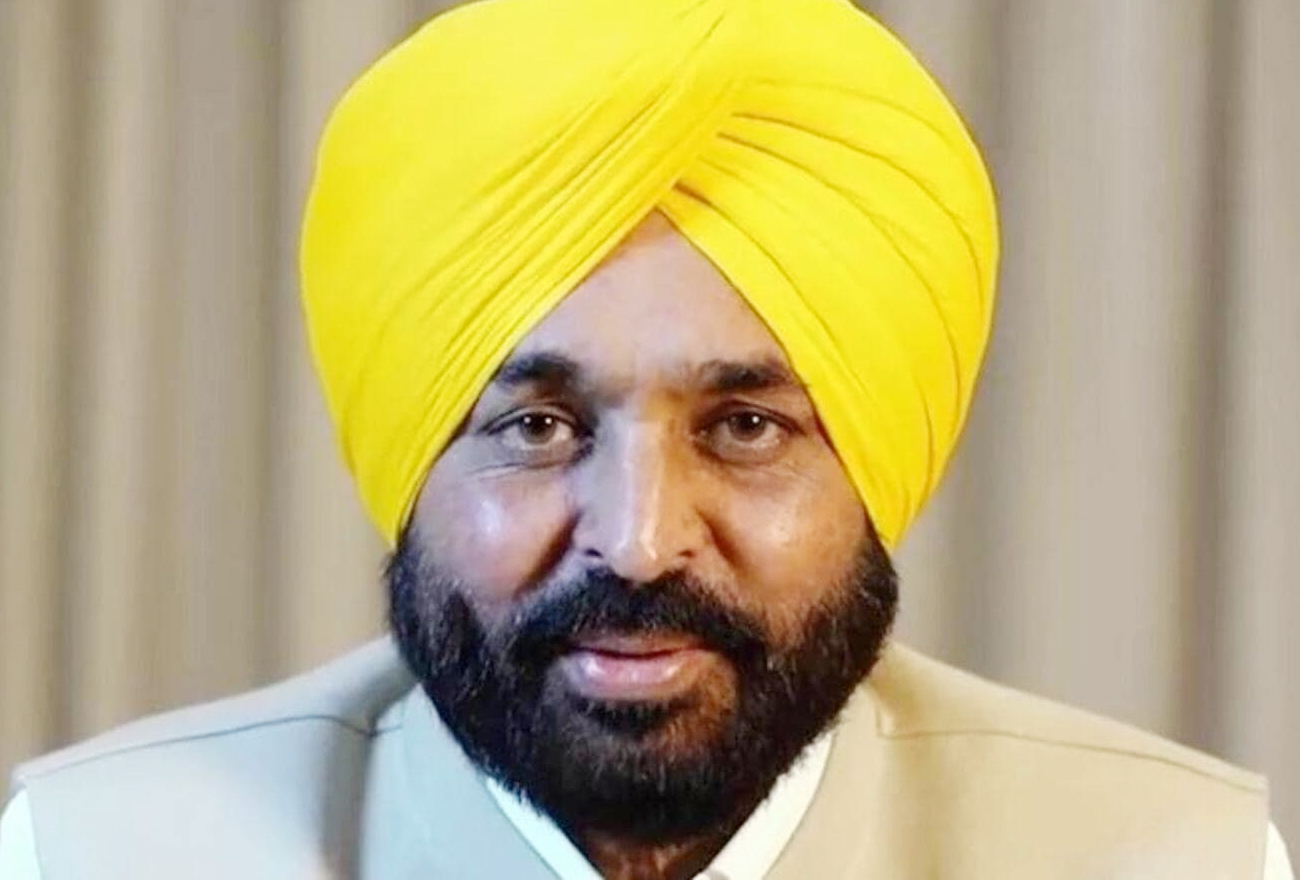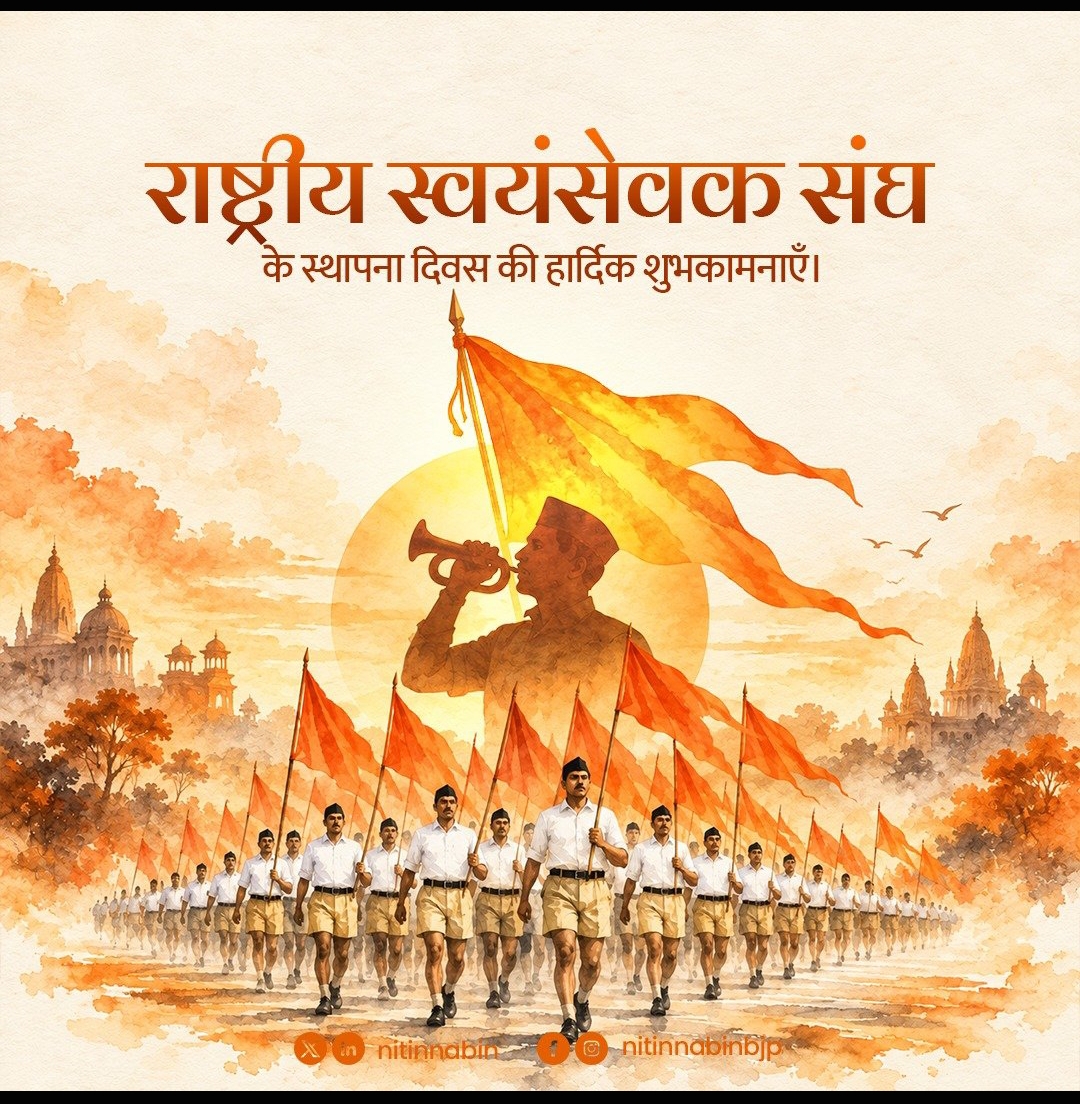
New Delhi: Bharatiya Janata Party (BJP) national president Nitin Nabin extended greetings to all volunteers of the Rashtriya Swayamsevak Sangh (RSS) on its foundation day. In a message shared on social media platform X on Tuesday, October 20, he said RSS volunteers were working with dedication and commitment to organise society and lead India towards greater heights, keeping the motto of “Nation First” above all else.
Nabin said the service activities undertaken by volunteers across the country were strengthening the values of service, cooperation and social responsibility in society. He added that the tradition of service, discipline and patriotism would inspire future generations to embrace national service and selfless dedication, while giving fresh energy to the mission of nation-building.
From Bharatiya Jana Sangh to the BJP
The BJP traces its political roots to the Bharatiya Jana Sangh, which was founded on October 21, 1951, under the leadership of Dr Syama Prasad Mookerjee. The party emerged during a period when India was grappling with the aftermath of Partition, including the challenges of displacement and rehabilitation.
Mookerjee also led a prominent movement against the permit system in Jammu and Kashmir. His slogan, “Ek desh mein do vidhan, do nishan aur do pradhan nahi chalenge” — meaning one country cannot have two constitutions, two flags and two heads of government — became a defining expression of his position on national integration.
The BJP regards his movement as an important part of its political and ideological heritage.
Deendayal Upadhyaya, Atal Bihari Vajpayee and Other Leaders
After Mookerjee, leaders such as Pandit Deendayal Upadhyaya, Atal Bihari Vajpayee, Lal Krishna Advani and Nanaji Deshmukh played significant roles in the organisation’s development.
The principles of Integral Humanism and nationalism became important elements of the Jana Sangh’s ideological foundation.
During the Emergency imposed in 1975, Jana Sangh leaders and workers participated in the movement for the restoration of democracy. Following the political developments surrounding the Janata Party, the Bharatiya Janata Party was formally established in 1980.

The BJP describes this journey as a legacy of organisational commitment, ideological conviction and the dedication of its leaders and workers.
Article 370 and the BJP’s Ideological Legacy
Under Prime Minister Narendra Modi and Union Home Minister Amit Shah, the central government in 2019 abrogated most of the provisions of Article 370, which had granted special status to Jammu and Kashmir.
The BJP presents the decision as a fulfilment of Dr Syama Prasad Mookerjee’s vision of national integration.
The party identifies “Nation First,” “Antyodaya” and “Integral Humanism” as key principles guiding its ideology. It also links its political journey to welfare initiatives such as Ayushman Bharat, the Pradhan Mantri Awas Yojana and the Har Ghar Jal programme.
According to the BJP, these initiatives seek to improve people’s lives and advance the broader goal of nation-building.
The party views its journey from the Jana Sangh to the BJP as a testament to the sacrifice, dedication and organisational efforts of generations of leaders, volunteers and workers.