Jharkhand News : Jharkhand is known for its mineral wealth and its important role in India’s energy security. Coal is one of the state’s major natural resources. Legal coal mining supports industries and power generation while contributing to government revenue, local employment and economic activity.

However, when coal reaches the market through illegal mining, theft, storage and transportation, the impact extends across the wider economy. This makes effective action against illegal coal trade important not only from a law-and-order perspective but also from an economic standpoint.
CISF Action Raises Hope of Crackdown on Illegal Networks
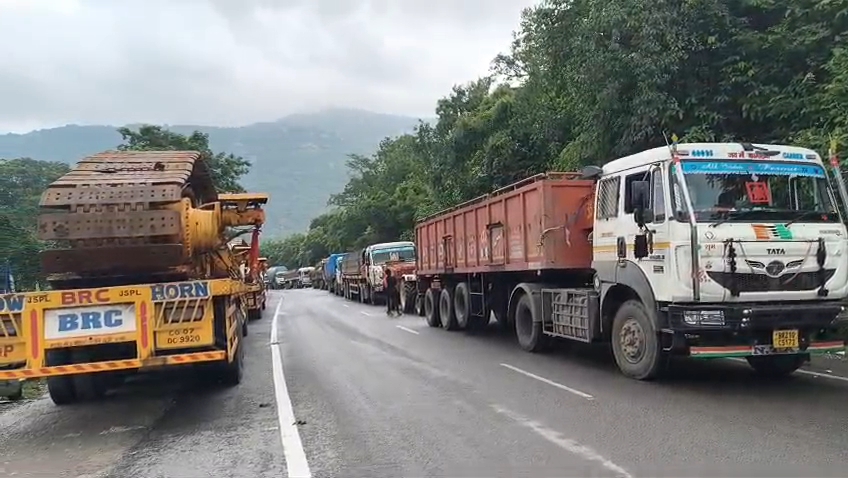
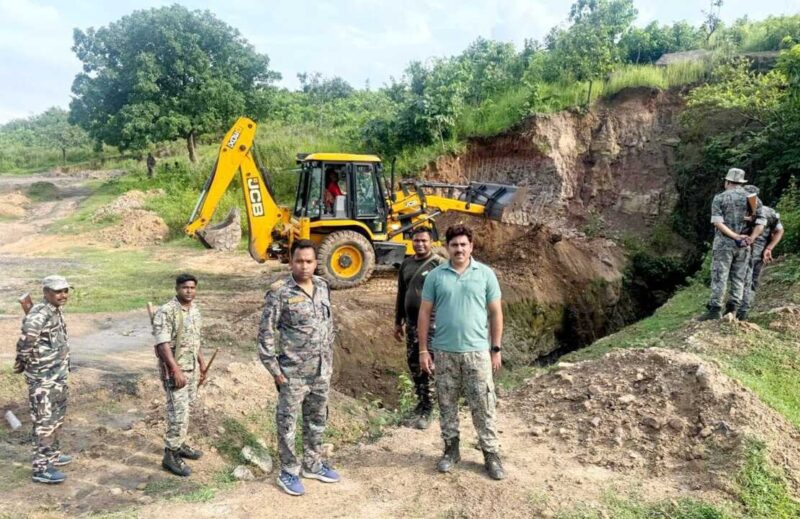
Illegal mining and coal smuggling have been the subject of action in coal-producing areas such as Hazaribagh, Ramgarh and Chatra. Recent action by the CISF has once again brought the issue into focus.
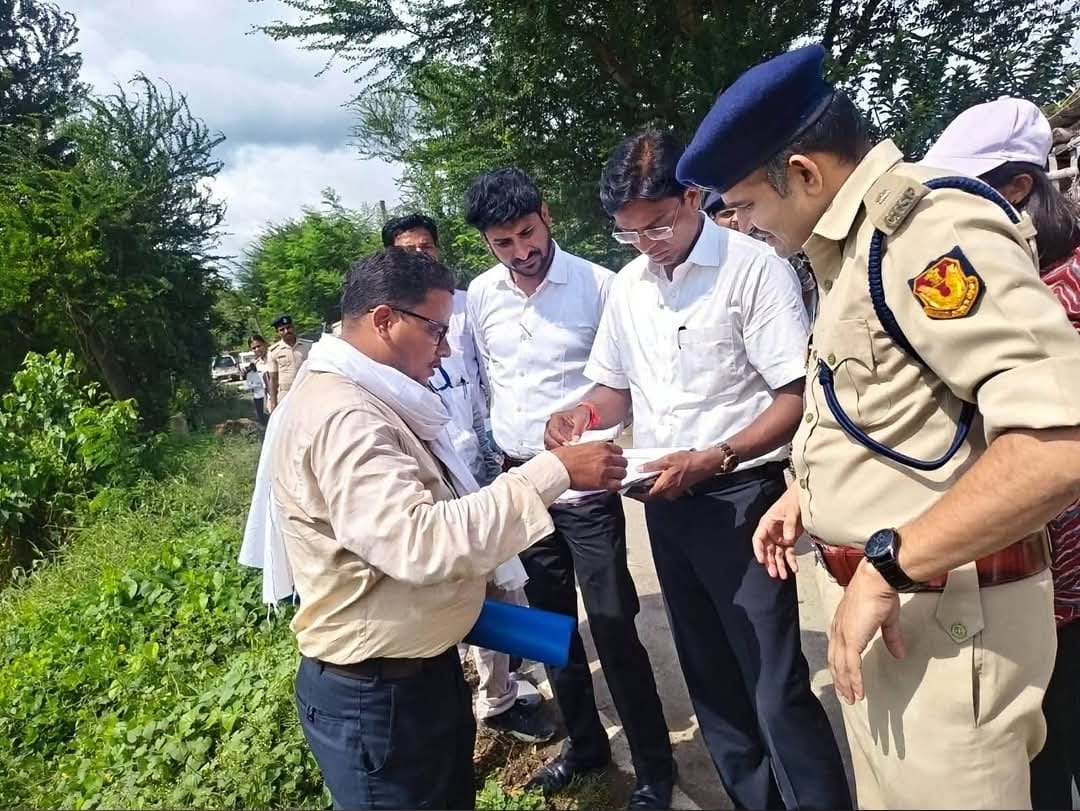
Following statutory powers granted to designated CISF officers under the MMDR Act, operations based on intelligence inputs have been intensified. According to the Central Government, operations conducted in the coal-producing areas of Jharkhand and West Bengal in July 2026 resulted in the seizure of 428.34 metric tonnes of illegally mined coal.
In August, 866.152 metric tonnes of illegal coal was recovered in the Kujju area of Ramgarh. In another operation conducted in the Barkagaon area of Hazaribagh on August 26-27, more than 256.71 tonnes of coal was reportedly recovered.
The use of drone surveillance in difficult forest areas and the deployment of a large number of personnel indicate the scale of the challenge posed by illegal coal operations.
Breaking the Entire Network Is Essential
The challenge is not limited to recovering stolen coal. It is equally important to identify where the coal is illegally extracted, where it is stored, how it is transported and who purchases it.
Seizures alone cannot provide a permanent solution. The entire chain, from the source of illegal mining to the final buyer, needs to be identified and disrupted.
Illegal Mining Also Hurts Legal Projects
Illegal coal operations directly affect legally developed mining projects. Companies operating in duly allocated coal blocks have to comply with several statutory requirements involving land, environment, forests, rehabilitation and safety.

Illegal mining networks avoid many of these costs and place coal in the market, creating an uneven competitive environment between legal and illegal operations.
Jharkhand’s Coal Potential Yet to Be Fully Utilised
Apart from government entities such as CCL, NMDC and NTPC, several private companies, including JSW, Adani, Rashmi Metaliks, Dalmia Cement and Hindalco, have been allocated coal blocks in Jharkhand.
According to Central Government data, 37 commercial coal blocks have been allocated in the state. However, production from these blocks stood at only 0.35 million tonnes in 2025-26. This indicates that a significant part of Jharkhand’s coal potential has yet to be converted into actual production.
Stronger Support Needed for Legal Mining
The fight against illegal mining needs to be viewed not merely as a law-and-order issue but also as a matter linked to revenue, investment, employment and development.
The state government will need to strengthen action across the entire chain of illegal mining, storage and transportation while ensuring administrative and security support for legitimate mining projects.
Action should remain impartial, with legal proceedings against anyone found responsible, regardless of their influence. The recent CISF operations are a positive development, but lasting success will depend on reaching the entire illegal coal network.
Jharkhand has significant coal, industrial and mining potential. Ensuring that the benefits of this natural resource reach the state and society through legal channels can strengthen the state’s legitimate economy.