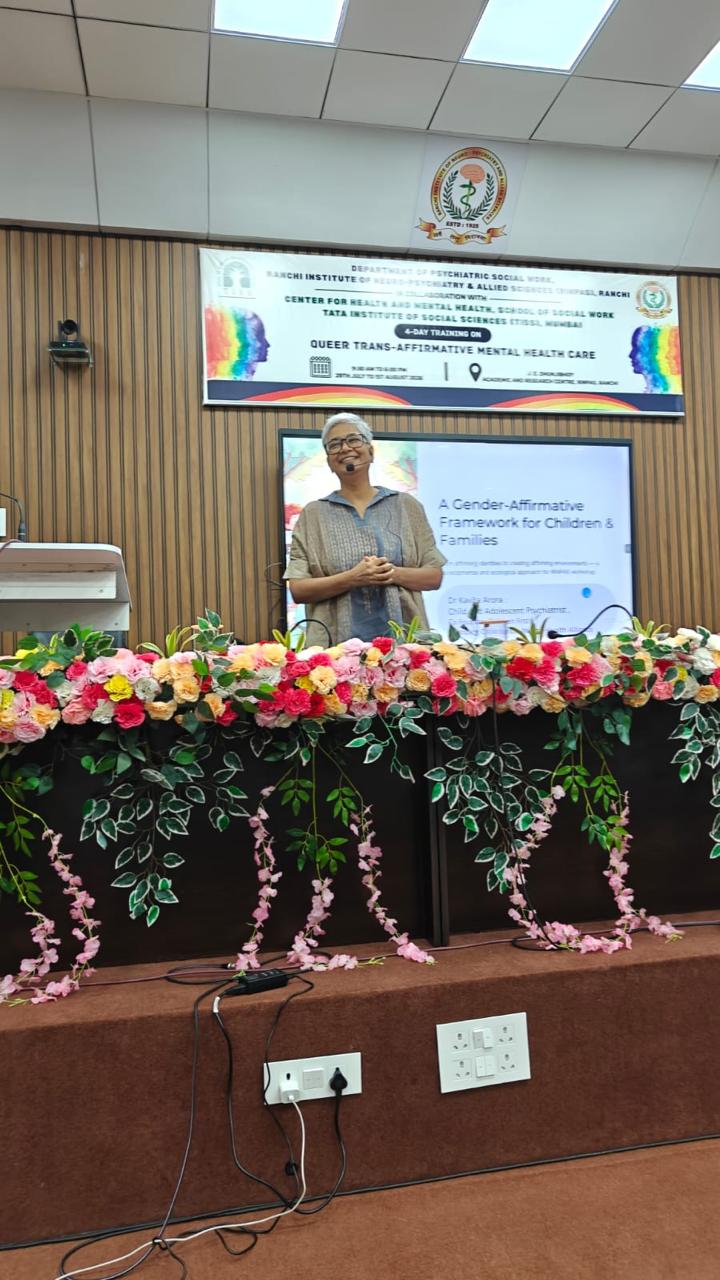
Jharkhand News : The Ranchi Institute of Neuro-Psychiatry and Allied Sciences (RINPAS), Kanke, in collaboration with the Tata Institute of Social Sciences (TISS), Mumbai, successfully concluded a four-day training programme on “Queer Trans-Affirmative Mental Healthcare” at the J.E. Dhunjibhoy Academic and Research Centre on Friday.
Organised by the Department of Psychiatric Social Work, RINPAS, in association with the Centre for Health and Mental Health, School of Social Work, TISS, the programme aimed to equip mental health professionals with scientific, inclusive and rights-based approaches to providing care for queer and transgender individuals.
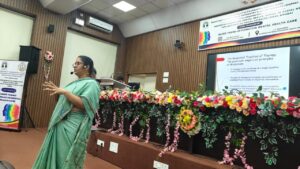
The final day of the programme focused on evidence-based therapeutic interventions for LGBTQIA+ communities.
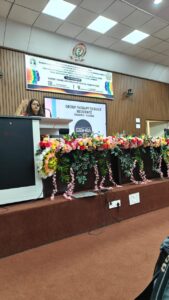
The first technical session on Queer-Affirmative Cognitive Behaviour Therapy (CBT) was conducted by Jagruti Vandrekar, who explained how CBT can be adapted to address the unique life experiences and social challenges faced by queer and transgender persons. She highlighted that affirmative therapy helps strengthen self-acceptance, resilience and psychological well-being.
The second session, led by Shrabasti Majumdar, explored Queer-Affirmative Narrative Therapy. She discussed how narrative therapy enables individuals to redefine their personal stories, challenge social stigma and discrimination, and reinforce their identity and dignity.
In the afternoon session, Kavita Arora delivered a lecture on working with children exhibiting gender non-conformity. She emphasised the psychological needs of gender-diverse children and underscored the importance of supportive families, inclusive schools and access to sensitive counselling for their overall development.
The concluding session featured a post-training assessment conducted by Nikita, Research Coordinator at TISS, and Zeb, to evaluate participants’ learning outcomes. The assessment indicated a significant improvement in participants’ understanding and professional competencies.

The four-day programme witnessed active participation from psychiatrists, clinical psychologists, psychiatric social workers, nursing officers, researchers and other mental health professionals from various institutions. Participants engaged in expert lectures, interactive discussions, case-based learning and practical sessions designed to promote inclusive, evidence-based and rights-oriented mental healthcare practices.
Speaking at the valedictory session, Dr Jayati Simlai, Director of RINPAS, thanked all the resource persons for their contributions to the programme’s success. She especially appreciated Dr K.P., his team, and Dr Manisha Kiran, Head of the Department of Psychiatric Social Work, for their leadership and commitment in organising the training.
Describing the programme as thought-provoking, informative and highly beneficial for mental health professionals, Dr Simlai said such initiatives play a vital role in enhancing the sensitivity and capacity of practitioners to deliver inclusive mental healthcare.
She also expressed hope for continued collaboration with TISS in organising future training programmes, research projects and academic initiatives. Dr Simlai reaffirmed RINPAS’ commitment to partnering with other leading academic and healthcare institutions to further strengthen the quality, accessibility and inclusiveness of mental health services across the country.