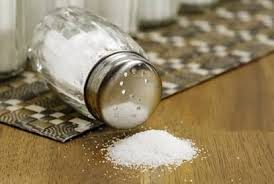
More News : With changing lifestyles and a growing preference for fried, spicy and packaged foods, daily salt (sodium) consumption has increased significantly among people. What many are unaware of is that foods like bread, flour, snacks and processed items already contain a high amount of hidden sodium, leading to excessive intake without realising it. Over time, this excess salt quietly harms the body and increases the risk of serious health problems.
According to the World Health Organization (WHO), an adult should consume no more than 5 grams of salt per day, which is roughly one small teaspoon. This limit includes not only the salt added while cooking or eating, but also the sodium already present in packaged and processed foods.
However, studies show that the average Indian diet contains around 10–12 grams of salt per day, which is almost double the recommended limit.
Health risks of excess salt
Medical experts warn that long-term excessive salt intake can lead to several health issues, including:
-
High blood pressure (hypertension)
-
Increased risk of heart disease and stroke
-
Swelling and water retention in the body
-
Extra strain on the kidneys
-
Weakening of bones
-
Rise in uric acid levels
-
Dehydration
-
Premature wrinkles and skin ageing


Salt, while essential, can act like a slow poison when consumed in excess over time.
How to reduce daily salt intake
Health experts suggest simple lifestyle changes to keep salt consumption under control:
-
Avoid excessive use of refined white salt; limited use of rock salt may be a better option
-
Reduce the habit of sprinkling salt or chaat masala on fruits and salads
-
Avoid eating salty snacks at night, as they can cause facial puffiness the next morning
-
Use less salt in curd or buttermilk; roasted cumin works as a healthier alternative
-
People suffering from cold and phlegm-related problems should be especially cautious with salt and curd
-
Always check nutrition labels on packaged foods for sodium content
Key takeaway
Salt is necessary for the body, but moderation is crucial. By following the WHO guideline of 5 grams per day, people can significantly reduce the risk of lifestyle diseases such as high blood pressure, kidney disorders and heart problems, and move towards a healthier future.