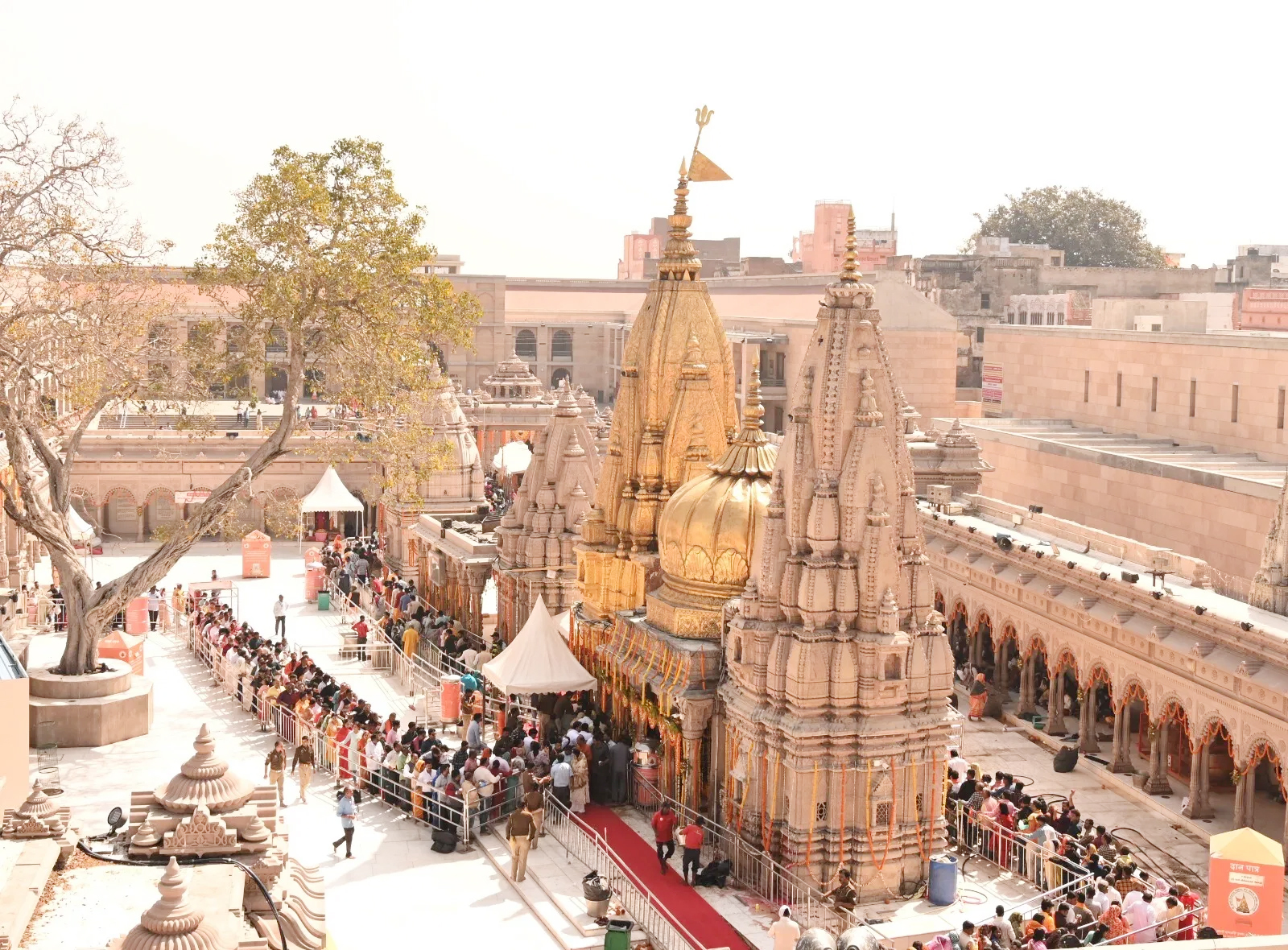
Bihar News : The 224-year-old Kashi Vishwanath Temple, located about 100 yards from Patna City Chowk near Kathautiya Gali, continues to be a prominent centre of faith for devotees. Built in the traditional Nepali architectural style, the temple is known for its unique design and naturally cool interiors, even during the hottest summer months.
Shiva Lingam Established in 1801
According to the temple priest, Pandit Narmadeshwar Mishra, popularly known as Basath Baba, the Shiva Lingam was installed on a raised platform in 1801 (Samvat 1858) by Kashinath, who worked as a peon in the Secretariat. The platform was later renovated by Phaggu Ji Vishwakarma. Over the years, the temple has become an important place of worship, attracting devotees from nearby as well as distant areas.
Renovated in 1985
In 1985, businessmen Manna Lal Bihari Lal and Kashi Prasad Harlalka undertook a major renovation of the temple. During the restoration, the temple retained its Nepali architectural style and was adorned with Makrana marble, enhancing its aesthetic appeal.
Wooden and Tin Roof Keeps the Temple Cool
One of the temple’s most remarkable features is its roofing structure. The tin roof on the outside and wooden ceiling underneath help maintain a naturally cool temperature inside the temple, allowing devotees to sit comfortably for long periods even during intense summer heat.
Major Attraction During Shravan
The temple witnesses a large influx of devotees during the holy month of Shravan, when worshippers from Patna and neighbouring regions visit to offer prayers and perform Jalabhishek of Lord Shiva.

Centre for Religious Activities
With the support of local residents through community service, a spacious hall has been built within the temple premises for bhajans, kirtans, Ramayana recitations, Ashtajam programmes, and spiritual discourses by saints.
Daily worship is performed every morning and evening, while the evening aarti draws a large number of devotees. Women regularly participate in devotional singing, creating a vibrant spiritual atmosphere throughout the year.