- Beyond Rituals and Religious Traditions, Chhath Puja Embodies Gratitude, Discipline, Social Harmony and the Timeless Bond Between Humanity and Nature
Mukesh Ranjan
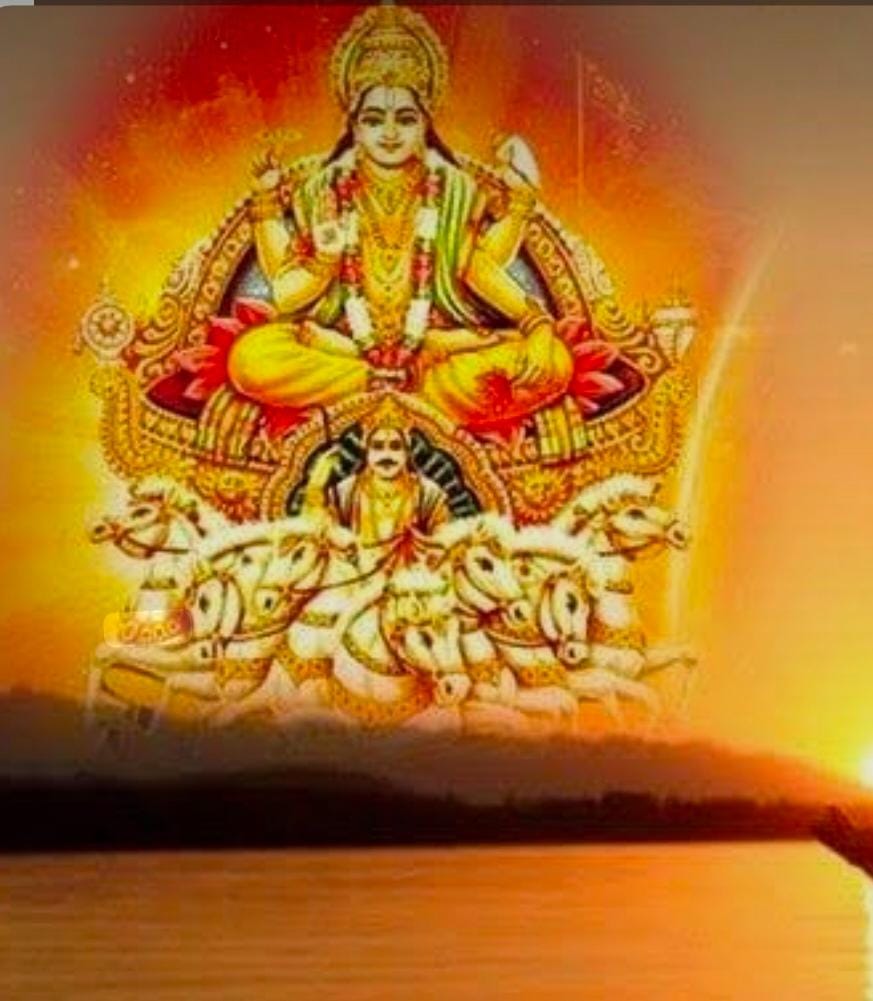
India’s cultural landscape is enriched by countless festivals, yet Chhath Mahaparv occupies a place of exceptional significance. More than a religious observance, it is a profound expression of faith, self-discipline, sacrifice and gratitude towards nature. Dedicated to the worship of the Sun God, this four-day festival reflects an enduring philosophy in which humanity, nature and spirituality exist in harmony. Rooted deeply in the cultural traditions of Bihar and Jharkhand, Chhath has evolved into a celebration that transcends geographical boundaries and brings communities together.
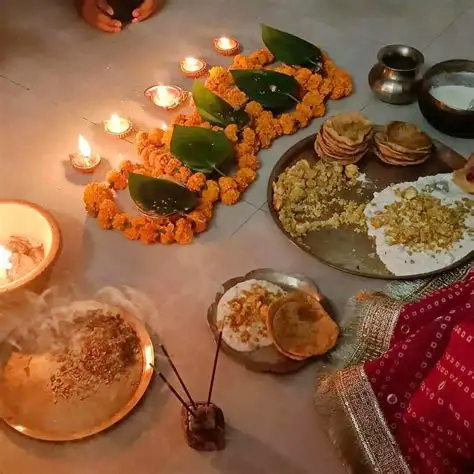
The defining strength of Chhath lies in its simplicity and spiritual discipline. Beginning with Nahay-Khay, followed by Kharna, the evening offering (*Sandhya Arghya*) and the morning offering (*Usha Arghya*), every ritual reflects purity, devotion and self-restraint. Devotees observe rigorous practices and offer prayers for the well-being of their families, society and humanity at large. Unlike many elaborate religious celebrations, Chhath requires neither extravagant arrangements nor ostentatious displays. Clean water bodies, traditional earthen stoves, natural offerings and unwavering devotion form the essence of this festival.
One of the most profound aspects of Chhath is the equal reverence offered to both the setting and the rising Sun. Devotees gather at riverbanks and ponds to offer *Arghya* to the setting Sun before returning the following morning to welcome the rising Sun. This tradition conveys a powerful message about life: success and achievement deserve appreciation, but dignity and respect must also be extended during periods of decline and transition. It reminds society that humility, gratitude and respect should never be determined by one’s position or circumstances.
Chhath is equally a remarkable celebration of social harmony. At the riverbanks and community ponds, distinctions of caste, class, language and economic status become secondary as people unite in devotion. Traditional bamboo baskets, soop, daura, homemade thekua and seasonal fruits reflect the richness of India’s indigenous culture. The festival also supports rural artisans, local traders and traditional occupations. Above all, the dedication, patience and determination of women devotees remain central to its spiritual identity.
At a time when rivers are increasingly polluted, ponds are disappearing under encroachment and natural water resources are facing serious environmental challenges, Chhath carries an important message of ecological responsibility. Worshipping the Sun and offering prayers to water bodies should also inspire us to protect the natural resources that sustain life. Unfortunately, cleanliness around several Chhath ghats remains a seasonal exercise. Governments, local administrations, elected representatives and citizens must work together to ensure the regular cleaning, maintenance and protection of rivers and ponds. Plastic-free ghats, clean water and safe public access must become collective priorities.

What was once deeply rooted in the cultural traditions of Bihar and Jharkhand has now gained recognition across India and among Indian communities abroad. From metropolitan cities to international destinations, devotees celebrate Chhath with extraordinary enthusiasm and devotion. Its growing reach reflects the enduring strength of India’s folk traditions and the universal appeal of its cultural values.
Chhath is not merely a festival of offering prayers to the Sun. It is a celebration of life, nature, discipline and collective harmony. Its true significance lies not in observing rituals for four days alone, but in embracing their underlying values throughout the year. Environmental protection, social equality, cleanliness, mutual respect and gratitude towards nature must become enduring principles of our everyday lives.
The real tribute to Chhath Mahaparv would be to transform its spiritual message into a social commitment. When faith inspires responsibility, tradition becomes a force for positive change. That is the timeless message of Chhath .A festival that illuminates not only our riverbanks but also our collective conscience.