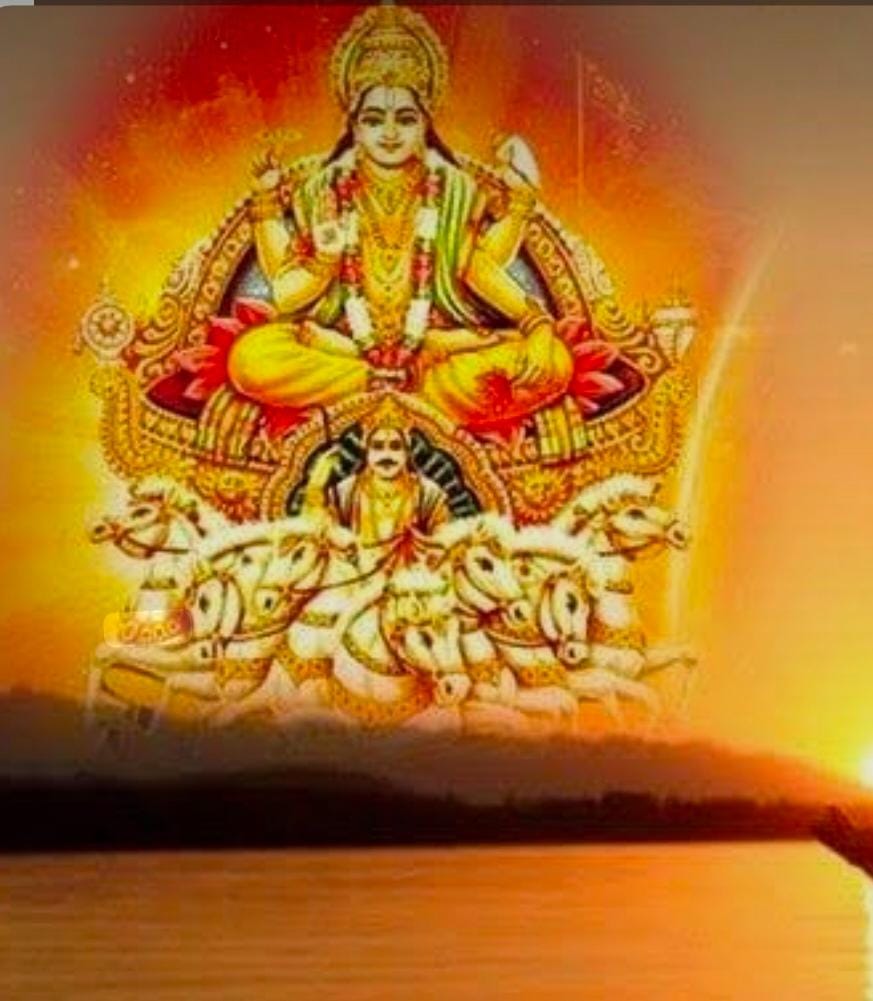
Patna: The grand festival of Chhath—a celebration of folk faith and the worship of the Sun God—is being observed with traditional reverence and deep devotion. Today marks the second day of this rigorous four-day ritual. After fasting throughout the day, those observing the Vrat (vow) will perform ‘Kharna’ in the evening, following prescribed traditional rites. This marks the commencement of the most challenging phase of the Chhath observance: a 36-hour *nirjala* (waterless) fast.
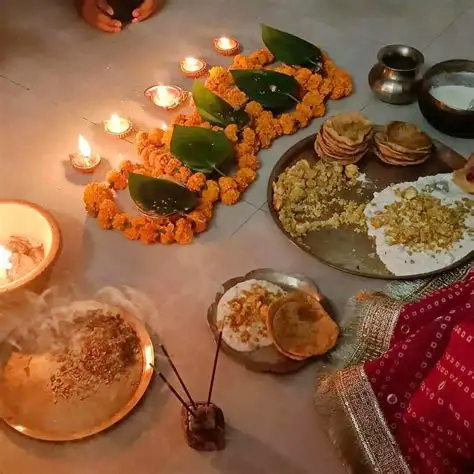
On the occasion of Kharna, those observing the fast bathe and don clean, fresh attire. With the utmost purity, they offer prayers to the Sun God and Chhathi Maiya. *Prasad*—consisting of kheer (a sweet rice pudding) made with jaggery, rotis (flatbreads), and fruits—is prepared. Following the rituals, the observers partake in the *prasad*, which is then distributed among family members and the surrounding community.
A 36-Hour Waterless Fast
Following Kharna, the observers begin a 36-hour nirjala fast, during which they abstain from consuming any food or water. On the third day, the first arghya (offering) will be presented to the setting sun. The grand festival will conclude on the fourth and final day with the offering of arghya to the rising sun.
In preparation for the Chhath festival, homes are undergoing thorough cleaning and special arrangements. Markets are bustling with activity as people purchase fruits, soop (bamboo winnowing baskets), daura (bamboo trays), coconuts, sugarcane, and other essential ritual items. Meanwhile, the cleaning and decoration of the ghats (riverbanks) are also underway.

Chhath is more than just a religious ritual; it is a unique celebration of folk faith, purity, gratitude toward nature, and social harmony. During this grand festival, devotees worship the Sun God and Chhathi Maiya, praying for the happiness, prosperity, and good health of their families, as well as for the well-being of society at large.