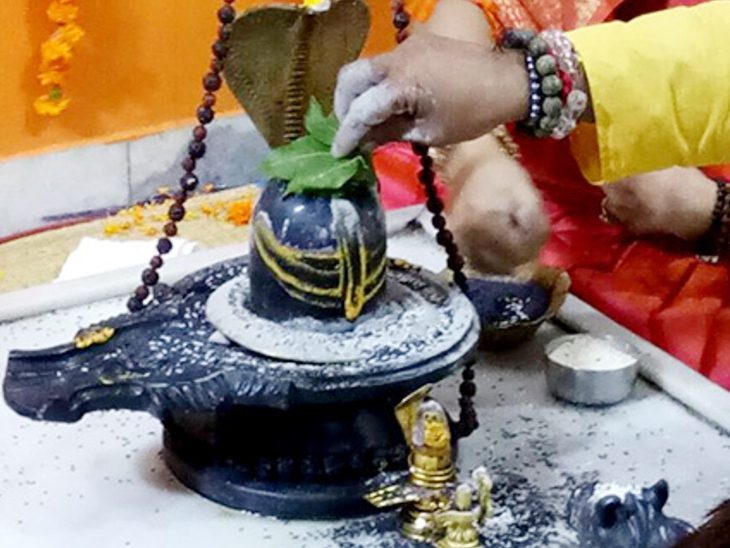
Offbeat : The sacred month of Sawan (Shravan) began on July 11 and will continue until August 9. This period is considered extremely auspicious for worshipping Lord Shiva. During this month, devotees throng Shiva temples to offer prayers, water, and sacred leaves like Belpatra. However, a common question that arises during worship is – Is it right to touch the Shivling? Here’s what different religious beliefs say.
Heavy Rain Alert in Jharkhand on July 13, Yellow Warning Issued for 6 Districts
Touching the Shivling – Forbidden or Permissible?
According to some religious traditions, touching the Shivling is not considered appropriate. The Shivling represents not just Lord Shiva but also purity and divine energy. Especially when the Shivling is “Pran-Pratishthit” (consecrated with rituals), touching it can be seen as disrespectful or a disturbance to its spiritual sanctity. Hence, these beliefs suggest that it’s best to avoid physical contact with the Shivling, even during auspicious months like Sawan.
Other Beliefs – Touching with Reverence Is Allowed
On the other hand, some religious views permit touching the Shivling, as it is believed to transfer positive spiritual energy. Men are generally allowed to touch the Shivling during rituals to offer water or sacred offerings. However, women are often restricted from touching it, based on the belief that the Shivling symbolizes the male divine energy. In a few temples, women are allowed to touch the Shivling while in a sitting or “Nandi Mudra” posture.
Rules for Touching the Shivling
For those who wish to touch the Shivling, certain ritual rules must be followed:
-
Bathe and wear clean clothes before entering the temple.

-
Use your right hand to offer water and sacred items like Belpatra and Dhatura.
-
Join both hands to pray, and then gently touch the Shivling with devotion.
-
Never touch the Shivling against the rules, as it may bring spiritual or karmic consequences.

Conclusion
There are mixed opinions in Hinduism about whether one should touch the Shivling. Some believe it brings blessings and energy, while others suggest maintaining a respectful distance. Ultimately, the decision should be based on the temple’s traditions and one’s personal reverence. Remember, the spiritual essence of Shiva can be felt even without physical contact.