India News : Amid rising global tensions linked to Iran and disruptions in oil and gas supply, the Government of India has implemented strict measures to manage energy resources efficiently. The decision comes as India remains heavily dependent on fuel imports.
LPG Prices Increased After Nearly a Year
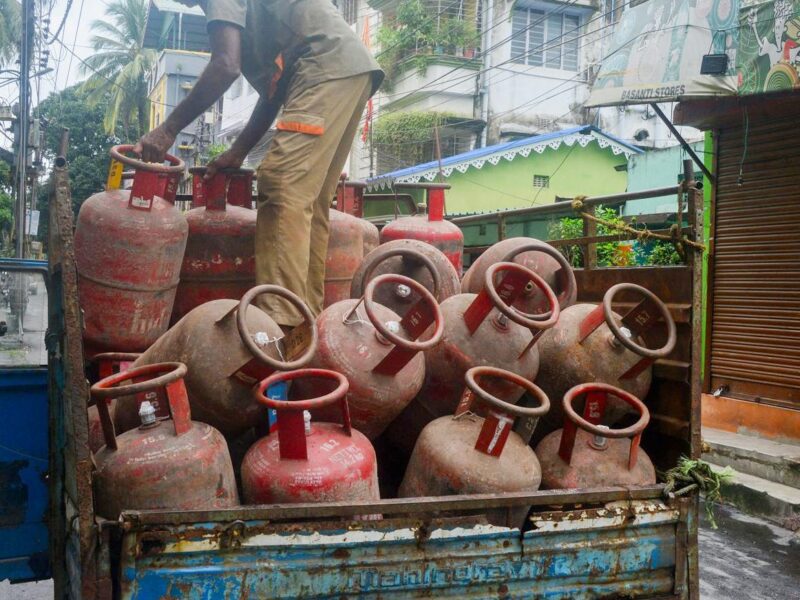
On March 7, the government increased domestic LPG cylinder prices by around 7%. Following the hike, the cost of a standard 14.2 kg cylinder has reached approximately ₹965. This is the first major increase in nearly a year, adding pressure to household budgets already affected by inflation.
However, beneficiaries under the Pradhan Mantri Ujjwala Yojana continue to receive a subsidy of ₹300 per cylinder directly into their bank accounts. This effectively reduces the price to around ₹550 for eligible families.
Changes in LPG Booking Rules
The government has also revised LPG booking rules to ensure fair distribution. Under the new system:
-
Consumers cannot immediately book a second cylinder after booking one.
-
A mandatory gap of 45 days between bookings has been introduced in rural and semi-urban areas (earlier 25 days).
-
Delivery will now be ensured within approximately 2.5 days of booking.


Each household can book up to 15 cylinders annually, out of which 12 are subsidized. Legally, a household can store a maximum of two cylinders.
Ban on LPG for PNG Users
In a significant move, the government has restricted LPG usage for households already connected to Piped Natural Gas.
Gas companies have been instructed not to issue new LPG connections or refill existing ones for such users. Consumers are being encouraged to voluntarily surrender their LPG connections.
Focus on Equitable Distribution
According to officials, these steps aim to ensure equitable distribution of LPG, especially to rural and economically weaker sections. The government wants to divert cylinder supply from urban PNG-connected households to areas where pipeline gas infrastructure is not available.
Public Concerns Over Emergency Situations
Despite these measures, concerns are rising among citizens. Many are questioning what alternatives would be available if PNG supply is disrupted during emergencies.
Currently, gas agencies are closely monitoring consumer data to implement the new rules effectively.