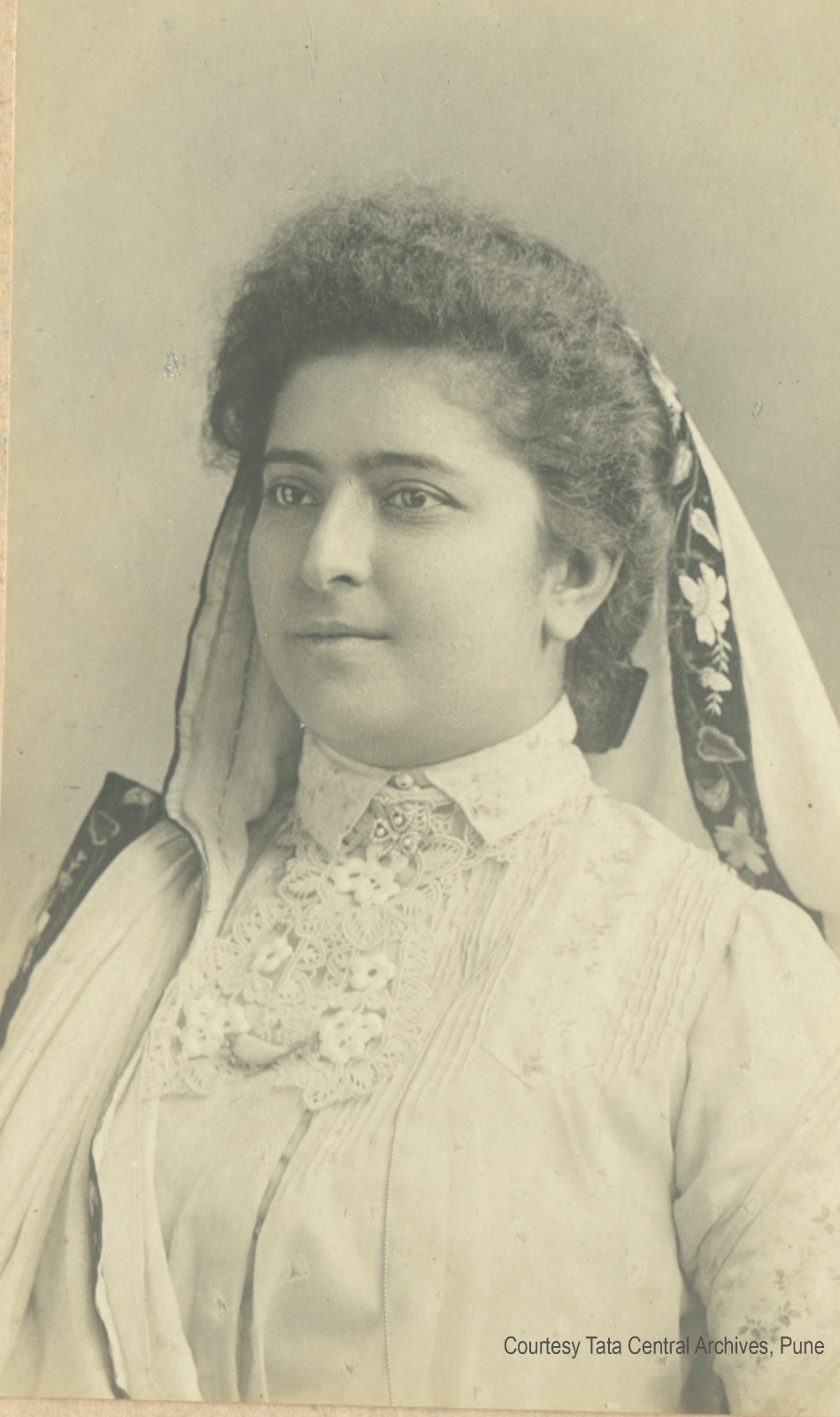
History is shaped by individuals whose vision extends far beyond their era. Lady Meherbai Tata was one such woman. A social reformer, sportsperson, musician, traveller and philanthropist, she championed causes that were decades ahead of their time and left an enduring mark on both the Tata legacy and Indian society.
Her story is closely intertwined with that of Tata Steel. During one of the Company’s most challenging periods in the 1920s, she stood alongside Sir Dorabji Tata as he pledged his personal wealth, including her treasured Jubilee Diamond, to help sustain Tata Steel. It was an extraordinary act of conviction and sacrifice that helped secure the future of an enterprise that would go on to become a global company and play a significant role in India’s industrial and economic growth.
The Jubilee Diamond’s legacy continued long after. Following the passing of Sir Dorabji and Lady Meherbai, the diamond was sold and the proceeds became part of the Sir Dorabji Tata Trust, supporting transformative work in education, healthcare, scientific research, rural development and nation-building.
Meherbai’s contribution extended well beyond her association with Tata Steel. A champion of women’s advancement, she helped found the National Council of Women and played a key role in connecting India to the International Council of Women. She campaigned for women’s education, the abolition of the purdah system and the eradication of untouchability. An accomplished tennis player who won the Triple Crown at the Western India Tennis Tournament and amassed more than 60 trophies, she was also an automobile enthusiast and a global traveller. Wherever she went, from major cities to remote villages, she closely observed the lives of women and remained committed to improving their opportunities, dignity and well-being.
A woman of many interests, Meherbai believed that true progress must improve lives and create opportunities for those left behind. Her intellect, courage and sense of purpose enabled her to challenge convention and drive meaningful change in an era when few women had such visibility or influence.
Her influence continues through institutions that transform lives even today. Nearly a century after her passing on June 18, 1931, the Tata Memorial Hospital, established in her memory, stands among India’s leading centres for cancer treatment, research and education, offering hope and healing to countless patients and families.

Meherbai’s life belongs to a larger tradition of women who reshaped society through pioneering ideas and action. Globally, figures such as Ada Lovelace, regarded as the world’s first computer programmer, and Rosalind Franklin, whose research proved critical to the discovery of DNA’s structure, expanded the boundaries of human knowledge. In India, Usha Mehta’s leadership during the freedom movement and Dr Janaki Ammal’s groundbreaking contributions to botany and genetics demonstrated similar courage and vision.
Like these trailblazers, Lady Meherbai Tata was ahead of her time in both thought and action. She believed that progress should be measured not only by economic advancement, but also by the opportunities created for people to lead healthier, more equitable and more dignified lives.
Her legacy endures through the causes she championed, the institutions inspired by her vision and the countless lives they continue to touch. Nearly a century later, Lady Meherbai Tata remains a powerful reminder that true leadership is defined not by prominence, but by lasting impact.