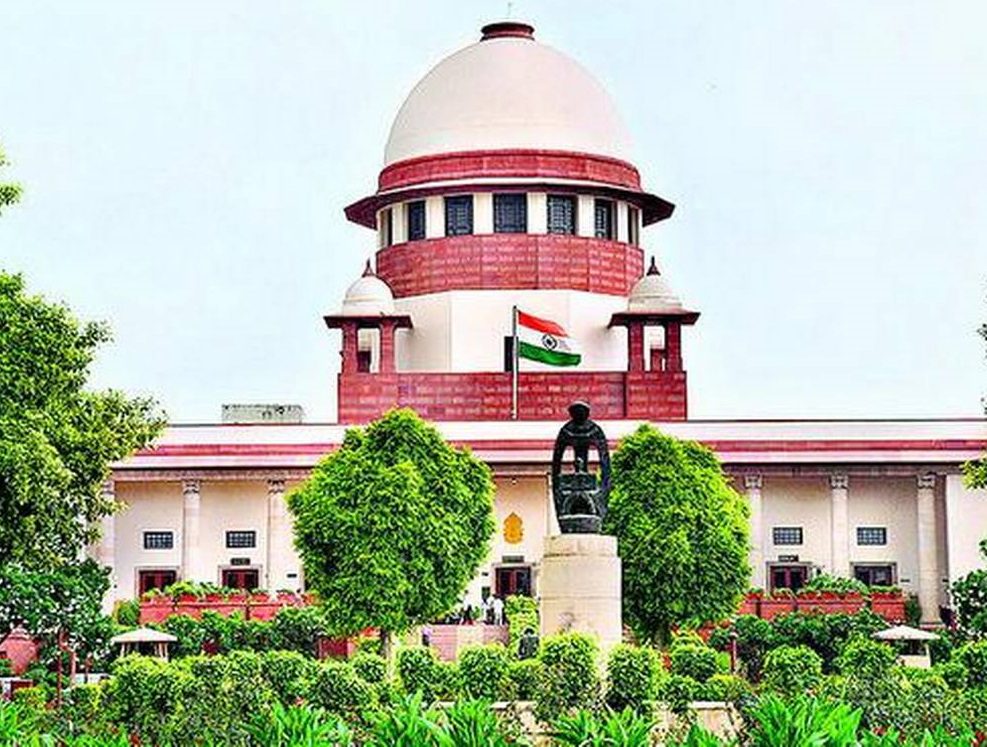
New Delhi: The Supreme Court is scheduled to hear a significant challenge to India’s Digital Personal Data Protection (DPDP) Act, 2023, on Tuesday, October 27, 2026. A group of 21 news publishers has approached the court, arguing that certain provisions of the law could affect press freedom, investigative journalism and the confidentiality of journalists’ sources.
The petition was filed on October 6 by the Digital News Publishers Association (DNPA), whose members include major media organisations such as Network18, NDTV, The Indian Express and Times Internet. The publishers are seeking judicial scrutiny of provisions they believe could interfere with independent journalism.
The DPDP Act was enacted in 2023 to regulate the processing of digital personal data and protect individuals’ privacy. However, the petitioners argue that the law does not provide an explicit exemption for journalistic activities, raising concerns about how its provisions might affect news organisations.
Why Have News Publishers Challenged the DPDP Act?
The news publishers contend that the law’s provisions relating to consent, data deletion and government access to information could create difficulties for investigative reporting.
According to the petitioners, the absence of a specific written exemption for journalism could leave news organisations exposed to requests that interfere with reporting on matters of public interest.
The publishers argue that the law should distinguish between the processing of personal data for commercial purposes and its use in legitimate journalistic investigations. They are seeking safeguards to ensure that data protection requirements do not unnecessarily restrict reporting in the public interest.
Could Journalists Be Forced to Reveal Confidential Sources?
One of the principal concerns raised by the publishers relates to the confidentiality of journalistic sources.
Investigative journalists often rely on whistleblowers and confidential informants to uncover alleged corruption, corporate wrongdoing and other matters of public interest. The publishers fear that government requests for information held by organisations could, in certain circumstances, expose the identities of such sources.
They argue that if confidential sources face a greater risk of being identified, individuals may become reluctant to share information with journalists.
However, the DPDP Act does not automatically require every journalist to disclose a source. The potential exposure of confidential sources is a concern raised by the petitioners about how particular provisions might be interpreted or used. The legal questions are now subject to judicial scrutiny.
Consent and Data Erasure Provisions Also Under Scrutiny
The publishers have also raised concerns about the Act’s consent requirements and provisions relating to the deletion of personal data.

They argue that requiring consent from individuals who are the subjects of investigations could make certain forms of investigative journalism more difficult. For example, notifying a person being investigated could potentially give them an opportunity to destroy evidence or influence witnesses.
The petitioners are also concerned that individuals could seek the deletion of personal data associated with published reports, potentially leading to demands for news organisations to remove or alter stories that serve the public interest.
These are arguments advanced by the publishers, not established findings about how the law will operate in every case. The court will have to examine the relevant provisions and the competing legal interests.
When Will the DPDP Act’s Main Provisions Come Into Effect?
Parliament passed the Digital Personal Data Protection Act in 2023. The Central Government notified the DPDP Rules, 2025, in November 2025 and set out a phased implementation schedule.
Under the notified timetable, most of the Act’s substantive provisions are scheduled to take effect on May 13, 2027. Certain provisions have separate commencement dates.
The publishers want the concerns surrounding journalism to be addressed before the main compliance requirements come into force. They argue that protecting personal data is an important objective, but the implementation framework should also provide clear safeguards for press freedom and confidential sources.
Government’s Position on Data Protection and Press Freedom
The government’s stated objective behind the DPDP framework is to protect individuals’ digital personal data and establish rules for its lawful processing.
According to Reuters, media organisations were given assurances during a meeting with the government in August that press freedom would be protected. However, the DNPA has argued that verbal assurances are not a substitute for an explicit written exemption for journalistic activities.
The central legal issue is how to balance personal privacy and data protection with freedom of speech, independent reporting and the public’s interest in receiving information. The court’s consideration of the publishers’ challenge is expected to address these competing concerns.