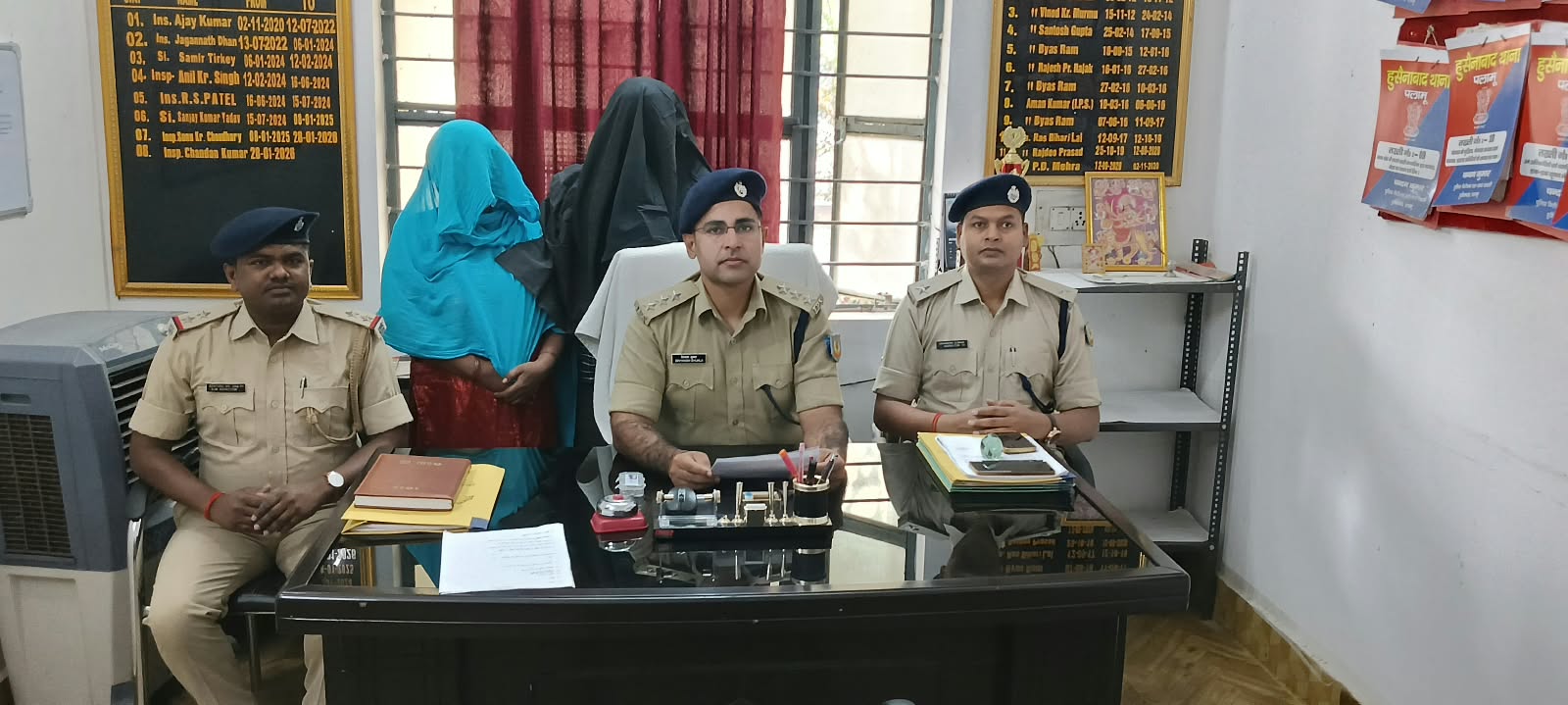
New Delhi: The Enforcement Directorate (ED) has arrested four more key individuals linked to an international syndicate that defrauded US citizens through fake call centers. Investigations have revealed that between July 2025 and September of this year, approximately 27.3 million US dollars—equivalent to about Rs 261 crore—were siphoned off through 927 separate transactions. The ED’s Hyderabad regional office arrested Harshil Nayanbhai Raval, Jaswant Singh, Chetan Munjal, and Pranav Pithadia under Section 19(1) of the Prevention of Money Laundering Act (PMLA), 2002. A special PMLA court in Nampally has remanded all four to judicial custody.
According to the ED, Vikas Nimar was arrested on July 27, Tarachand Nimar on August 5, and Mohammad Irfan Ansari on August 10 in connection with this case. All three are currently lodged in the Chanchalguda Central Jail. With these four new arrests, the total number of individuals taken into custody in this case has reached seven.
Prior to this, on September 15, the ED conducted searches at four locations across Patiala, Pune, and Chandigarh. During these operations, two active call centers were discovered in Patiala and one in Pune. At the time of the searches, approximately 220 individuals were found working at these facilities. The agency has conducted a forensic examination of 79 digital devices, including 65 mobile phones, 13 laptops/computers, and data storage disks. These devices yielded evidence of the syndicate’s communications, account details, call logs, information regarding the victims, and records linked to cryptocurrency wallets.
The ED initiated its money laundering investigation based on the underlying cases involving fraud, forgery, and criminal conspiracy. The investigation revealed that the gang was operating a network of fraudulent call centers from India in an organized manner. Employees within these centers were assigned roles such as ‘dialers,’ ‘bankers,’ and ‘closers.’ They would call American citizens, claiming that suspicious purchases or illicit transactions had occurred in their bank accounts. Posing as officials from the U.S. Drug Enforcement Administration (DEA), the Department of Justice (DOJ), the Federal Trade Commission (FTC), or the U.S. Department of the Treasury, they would threaten the victims with legal action and arrest.
The accused employed various methods to defraud their victims. They coerced victims into handing over gold bars and cash through courier and pick-up services. Additionally, funds were siphoned off via wire transfers to ‘mule’ bank accounts, the use of gift cards, and transactions through Bitcoin ATMs. According to the Enforcement Directorate (ED), the gang primarily targeted elderly American citizens born in the 1940s. To facilitate these scams, they utilized data belonging to approximately 2 million American citizens, accessed via auto-dialer servers located in Germany and Finland.
Records recovered by the investigative agency from the gang’s WhatsApp groups and digital devices indicate that between July 2025 and September 2026, approximately $27.3 million (USD) was swindled through 927 confirmed transactions. To process and launder these funds, the gang maintained 397 bank accounts across more than 15 major U.S. financial institutions, including Wells Fargo and Bank of America.
The ED has also detailed the specific roles of the arrested individuals. According to the agency, Pranav Pithadia served as the operator and manager of a call center based in Patiala, overseeing 110 dialers and 242 other employees. Harshil Nayanbhai Raval was responsible for managing the call centers’ primary accounts, tracking profits, overseeing the distribution of shares among partners, and facilitating the transfer of funds to Dubai. It is alleged that he was investing the proceeds of crime into various assets.

Jaswant Singh coordinated with teams in the United States that collected cash and gold from victims. The funds were subsequently converted into Indian rupees through the hawala (informal money transfer) system. Meanwhile, Chetan Munjal is a 25% partner in M/s Rabdita Corporates, a company that operates the ‘Kala Ghoda’ restaurant. According to the Enforcement Directorate (ED), he provided protection to the call centers and received the proceeds of crime.
The investigation further revealed that the US dollars obtained through the scams were first routed through alleged shell companies based in Dubai and Hong Kong. Additionally, transactions were conducted using cryptocurrencies such as TRC-20-based USDT and Bitcoin. These funds were later converted into Indian rupees via the hawala and angadia (traditional courier/money transfer) networks and brought into the country. According to the ED, these funds were being invested in immovable properties, gold, luxury vehicles, and the restaurant business.
The ED stated that the investigation is ongoing to trace the remaining proceeds of crime, examine the entire chain of financial transactions, and determine the roles of other companies and individuals linked to the syndicate.