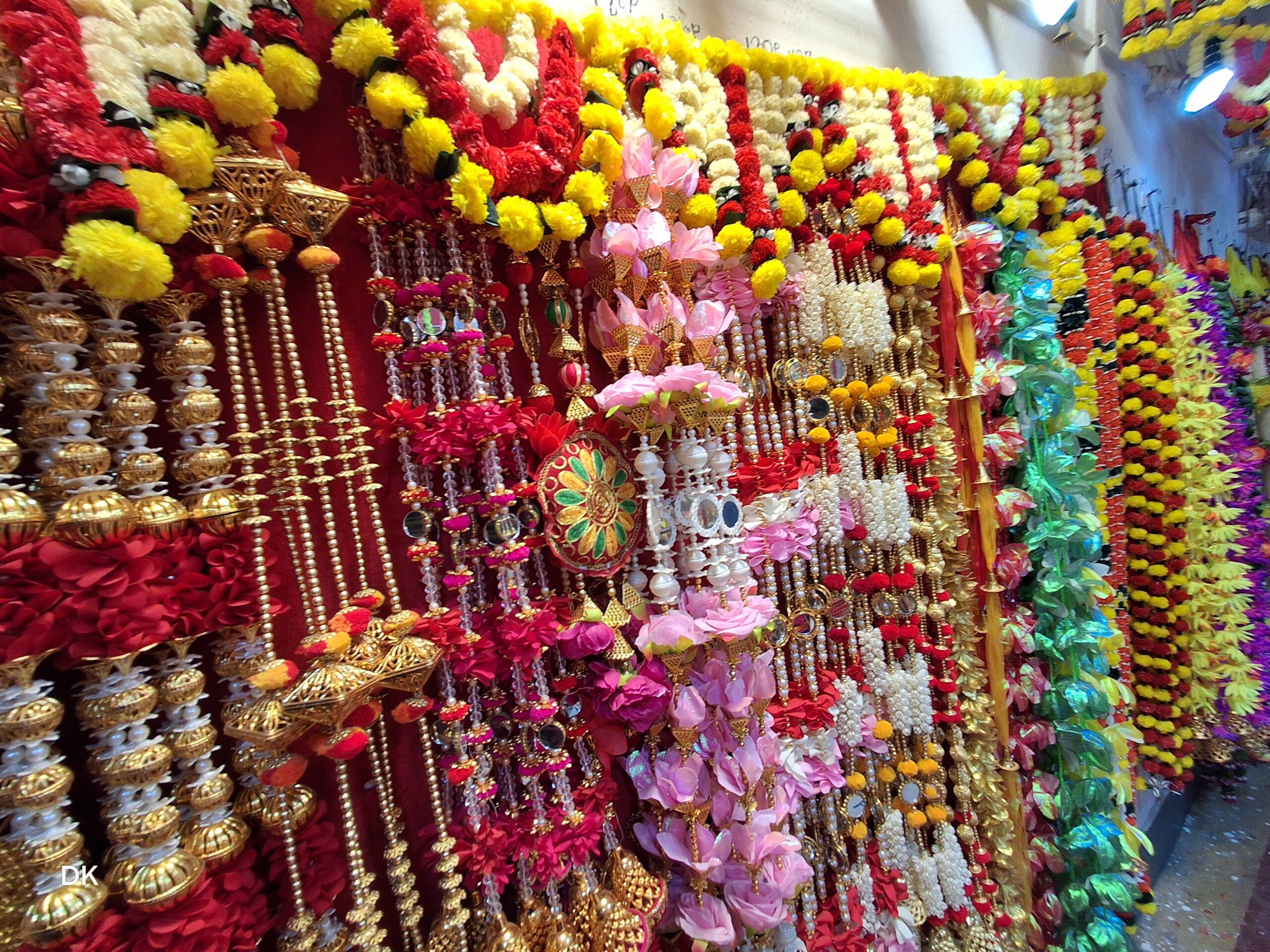
Saran: The most beautiful glimpse of the district’s culture and traditions can be found in its markets. As the seasons shift and festivals arrive, the very appearance and atmosphere of these markets undergo a complete transformation.
This ever-changing landscape of the markets not only fuels local economic activity but also highlights the deep-rooted connection between public faith and everyday life.
During the month of Kartik, the year’s peak commercial period arrives with Dhanteras and Diwali, when the markets come alive with a brilliant glow. There is a surge in the sale of electronic appliances, new kitchenware, colorful earthen lamps (diyas), decorative lights, and various ornaments.
Following this is Chhath—the most sacred festival of faith in North India and Bihar. During this time, there isn’t a single corner or shop in Saran that does not stock items essential for the Chhath observance. The entire city becomes filled with soop (bamboo winnowing baskets), daura (bamboo trays), fruits, ingredients for making thekua (a traditional sweet snack), and sugarcane.
Next comes the festival known as ‘Khichdi’ (celebrated under various names across Bihar and the rest of India), when the markets are filled with the sweet, inviting aromas of curd, chura (flattened rice), sesame seeds, jaggery, lai (puffed rice treats), and kasar (a traditional sweet preparation).
In the month of Phagun, the markets are adorned with idols of Goddess Saraswati—the deity of knowledge—alongside various decorative items. This is followed by Holi, the festival of colors, which transforms the markets into a vibrant, multi-colored spectacle, brimming with festive food, clothing, and an array of colors and gulal (colored powder).
As the month of Chaitra begins according to the Indian calendar, festivals like Navratri and Ram Navami fill the markets with ceremonial flags, banners, and various other items used for worship.
With the arrival of the month of Sawan, the entire district of Saran takes on a saffron hue. From the main marketplaces to the small shops in the alleyways, one finds an abundance of items for the worship of Lord Bholenath (Shiva)—including belpatra (sacred leaves), bhang, and saffron-colored garments. Soon after, the atmosphere becomes filled with patriotic fervor for the national festival of Independence Day, with shops adorned with a variety of tricolor-themed crafts, flags, and decorative items.
As the calendar progresses, the festival of Rakhi arrives—a symbol of the unbreakable bond between brothers and sisters. The sight of colorful rakhis displayed in the markets and the enticing aroma of sweets draw everyone in.
With the change of the month comes Janmashtami; shops become brimming with beautiful attire, crowns, flutes, and various adornments for the infant Lord Krishna (Bal-Gopal).
Meanwhile, during Sharadiya Navratri and Dussehra, the markets bustle with activity, filled with items required for the worship of Goddess Durga.
The markets of Saran are more than just centers for buying and selling goods; they serve as a vivid reflection of the changing seasons, the prevailing spirit of joy, and our rich cultural heritage.