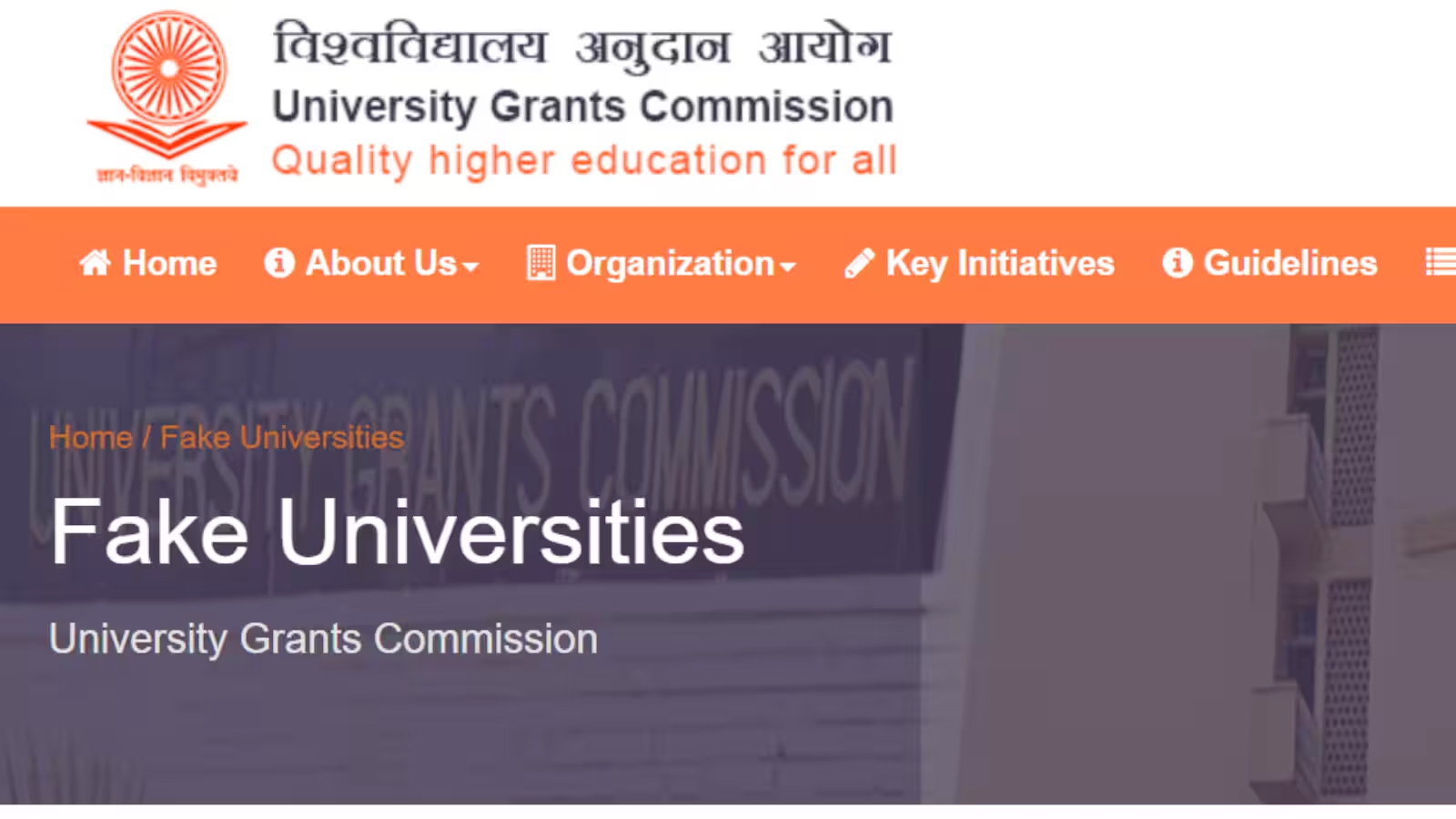
New Delhi: There is important news for students and parents preparing for higher education in the country. In its updated list for February 2026, the University Grants Commission (UGC) has identified 32 institutions across 12 states and union territories as “fake universities.” These institutions do not have the legal authority to grant recognized degrees. Consequently, the UGC has advised students and parents to verify the accreditation and legal status of any institution before enrolling.
In a public advisory issued on November 17, the UGC urged students to confirm the accreditation of a university before making any academic or financial commitments. The Commission’s warning aims to prevent students from falling into the trap of unaccredited institutions.
Highest Number of Fake Institutions in Delhi (12)
According to the February 2026 list, Delhi has the highest number of fake universities, with 12 institutions identified. The March 2023 list included eight institutions from Delhi; all eight remain on the new list, with four additional names included.
Four institutions from Uttar Pradesh are also on the list. The March 2023 list had identified 20 institutions nationwide, 18 of which remain on the February 2026 list. This means that 90 percent of the institutions previously identified are still present in the new list.
Advisory Issued Following Supreme Court Order
This UGC advisory was issued following a Supreme Court order dated October 9, 2026. The Court had directed the Commission to alert the public about educational institutions operating without proper authorization. However, the continued presence of an institution on the list of fake universities does not, in itself, prove that it is still operational or that no action has been taken against it.
Ministry of Education issues notices and warnings

In a written response provided to Parliament on August 5, the Ministry of Education stated that the University Grants Commission (UGC) has issued letters seeking clarification, compliance notices, show-cause notices, and warnings to such institutions. The Commission has also written to state governments, urging them to initiate appropriate legal action, including the filing of FIRs.
The central government has urged states and union territories to take necessary legal steps to shut down institutions operating without authorization. A request for comment was sent to the Ministry of Education regarding why these institutions remain on the list and what actions have been taken against them; however, no response has been received yet.
The issue of fake degrees also concerns national security
The founder and CEO of ‘Milo’—a company specializing in background verification and due diligence—has linked the issue of fake academic credentials to national security. According to him, the issuance of degrees by certain institutions without following proper procedures raises serious concerns. He also emphasized the need to leverage technology to identify fake certificates and the networks behind them.
Important advice for students: Before enrolling in any university, verify its UGC recognition, its authority to grant degrees, and its official legal status. Do not pay fees based solely on advertisements or claims made by an institution.