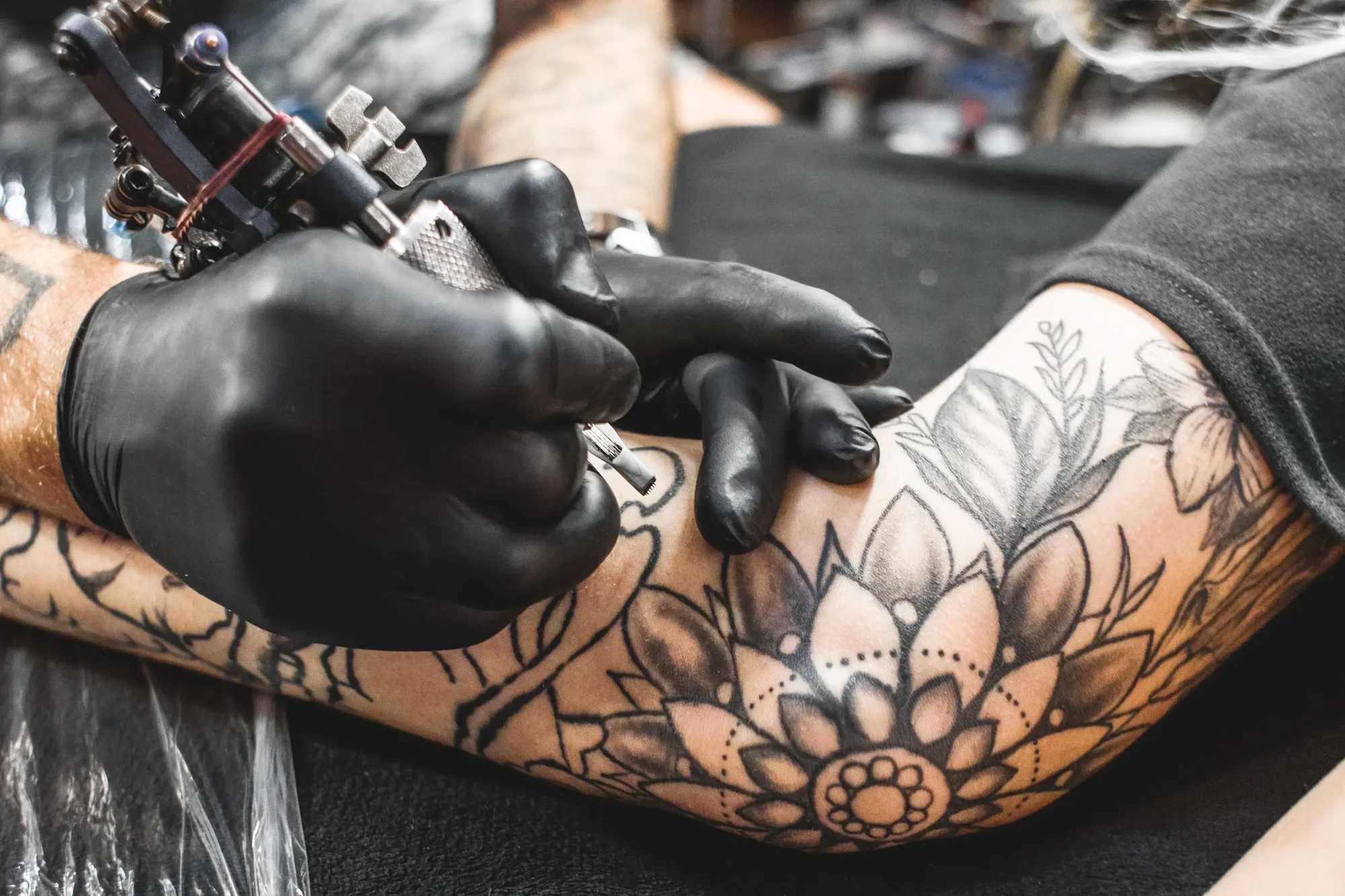
London: The trend of getting tattoos is growing rapidly among young people. It is no longer limited to the youth; people of all ages are now getting tattoos of their choice on various parts of their bodies. Getting attractive designs inked on the arms, legs, neck, and other areas has become increasingly popular. These include colorful or black-and-white designs, such as floral patterns, animal figures, religious symbols, and imagery related to people who are significant to the individual. However, neglecting hygiene while getting a tattoo can be harmful to your health.
According to experts, one must pay close attention to the cleanliness of the needles and equipment used during the tattooing process. Any negligence can increase the risk of skin infections. Both permanent and temporary tattoos are available in the market. Temporary tattoos are applied to the outermost layer of the skin—the epidermis—whereas permanent tattoos involve using needles to deposit ink into the second layer of the skin, known as the dermis. This is precisely why maintaining strict hygiene is crucial when getting a permanent tattoo.
Choose the Right Place for Your Tattoo
Before getting a tattoo, always select a studio that has proper hygiene and sanitation measures in place. The tattoo artist should use a new, sterile needle for every client. A needle used on one person must never be reused on another. It is also essential that equipment is properly cleaned and that protocols for preventing infections are strictly followed.
Aftercare Following a Tattoo
Taking proper care of a tattoo after it has been applied is equally important. In the initial days, the tattooed area should be protected from dust, dirt, and direct sunlight. You may use a mild soap or hand wash to clean the skin. After washing, gently pat the skin dry using a clean cloth or tissue. Apply a light moisturizer as needed, but avoid using an excessive amount of cream or lotion.
Do not scrub the tattooed area with a loofah or any abrasive object. It is normal to experience mild itching or the formation of scabs during the healing process; do not scratch the skin or forcibly remove any scabs.
Exercise caution until fully healed

Avoid swimming pools, rivers, and hot tubs until the tattooed skin has completely healed. Wear loose, comfortable clothing to prevent friction on the tattooed area. In the initial days, you may keep the tattoo covered with clean, appropriate clothing when going outdoors. Once the skin has fully healed, use sunscreen to protect it from sun exposure.
Consult a doctor if signs of infection appear
If you notice unusual redness, increasing swelling, intense pain, or pus on the tattooed skin, do not dismiss it as normal. Seek medical advice promptly in such cases.
Experts emphasize that the risk of infection and skin-related complications can be minimized by choosing a reputable studio, ensuring the use of sterile equipment, and following proper aftercare. Therefore, while pursuing your interest in tattoos, it is equally important to prioritize the safety and health of your skin.