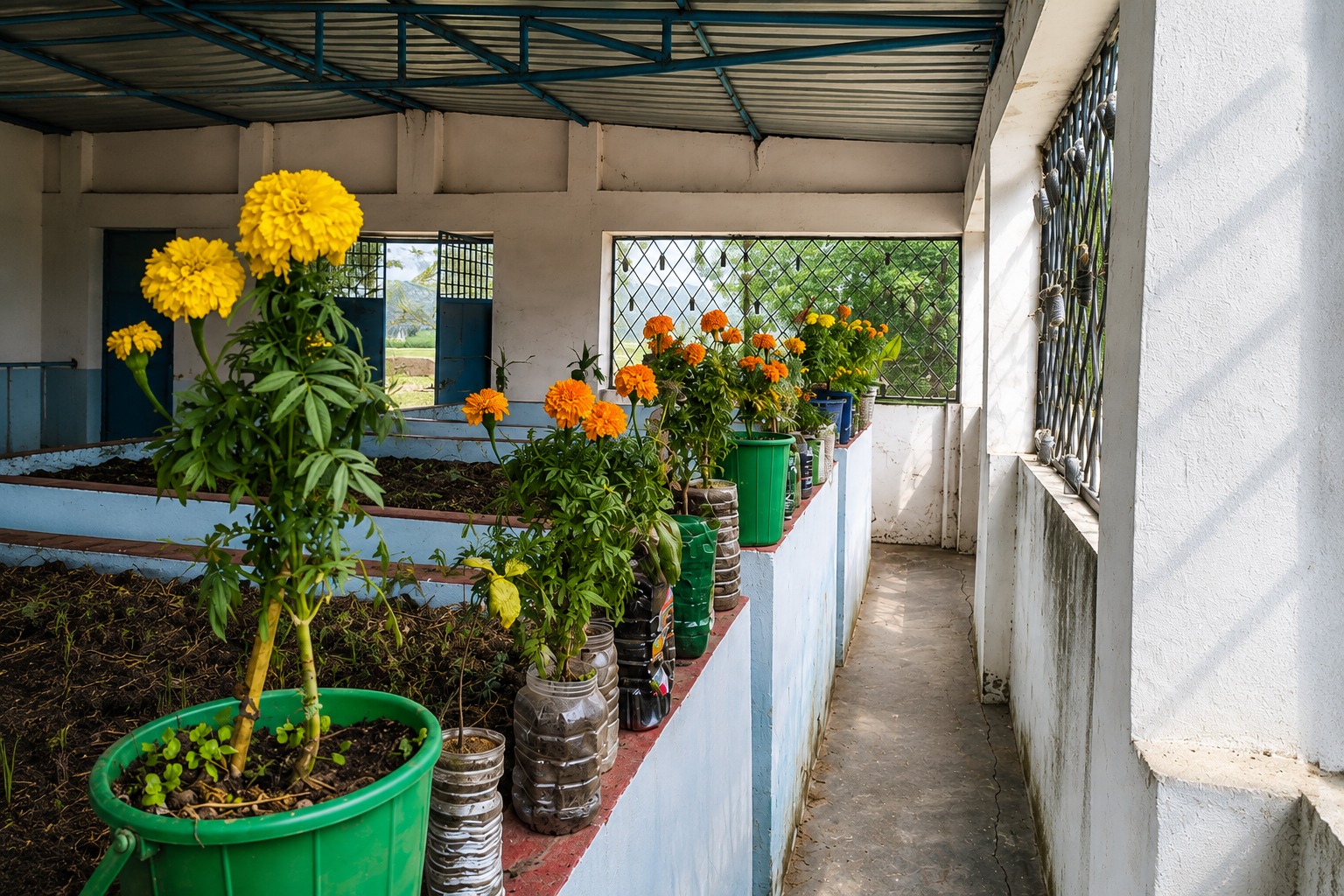
Bihar News : Saharsa district in Bihar has emerged with an innovative initiative to address the challenges of climate change, sanitation and waste management. In 21 gram panchayats, Waste Processing Units (WPUs) are processing organic waste through NADEP and compost pits to produce vermicompost.
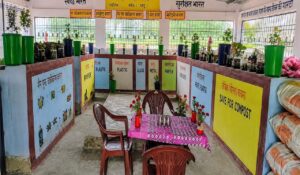
The organic manure is then being used to develop plant nurseries within the WPU premises. This has created a unique cycle of waste to compost, compost to nursery and nursery to revenue across the panchayats.
Organic Waste Turned Into Vermicompost
The initiative has also transformed WPU premises that were often covered with waste and dirt. The use of organic vermicompost instead of chemical fertilizers has helped improve the quality and growth of plants being raised in the nurseries.
The use of organic manure has also strengthened the organic structure of the soil and improved its water-holding capacity. Panchayat representatives believe that timely processing of organic waste is helping reduce dirt in villages and lowering the risk of the spread of diseases.
Nurseries Generate Annual Revenue
According to the panchayat representatives, the model is not limited to cleanliness and waste management. It is also playing an important role in the effort to develop rural areas as green villages.
The nurseries developed in the panchayats generate annual revenue of Rs 30,000 to Rs 40,000 through the sale of plants. The revenue is being used for the repair and maintenance of WPUs, pedal rickshaws, e-rickshaws and other assets operated under the Lohiya Swachh Bihar Abhiyan (LSBA).

A Model for Cleanliness and Self-Reliance
Rural Development Department and Information and Public Relations Department Minister Shravan Kumar said Saharsa has started a good practice in waste management and environmental protection through its waste processing units.
He said the cycle of waste to compost, compost to nursery and nursery to revenue could establish a new direction for cleanliness and self-reliance in the state.
The minister said producing vermicompost from organic waste, developing plant nurseries using the manure and using the annual revenue of Rs 30,000 to Rs 40,000 for maintaining LSBA assets reflects effective and forward-looking management by the panchayats.
He added that the initiative has been made possible with the cooperation of panchayat heads and local representatives.