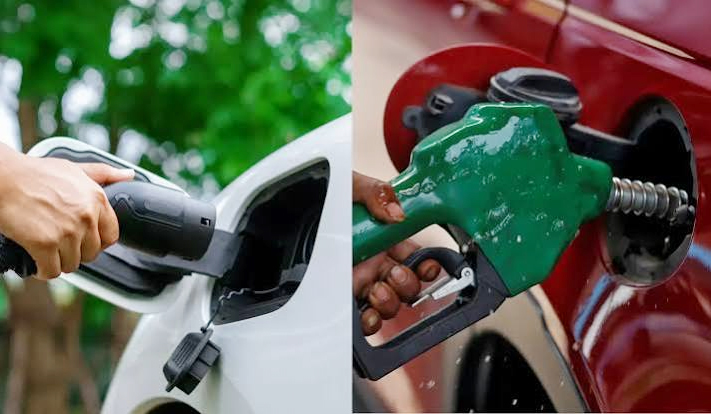
India News : As India continues to expand the use of E20 blended petrol, ethanol is now set to play an even bigger role in the country’s clean energy transition. Beyond being blended with petrol, ethanol will now be used to generate electricity for charging electric vehicles (EVs).
A 150kW ethanol-powered EV charging system has been launched in Telangana, offering an alternative to conventional grid-powered charging stations. The system is being described as the world’s first ethanol-based EV charging solution, designed to operate without relying entirely on the electricity grid.
How Does the System Work?
The new technology integrates a 150kW fast EV charger with an ethanol-based power generation unit. Instead of drawing electricity directly from the power grid, the system first generates electricity using ethanol and then uses that power to charge electric vehicles.
This allows EV charging stations to function even in locations where grid connectivity is limited or unavailable, making the technology particularly useful for highways, rural areas, and remote regions.
Union Minister Highlights the Innovation
The technology was showcased during the launch of Keto Motors’ first 9-metre electric commercial bus. Speaking at the event, Union Minister G. Kishan Reddy said the company has developed a unique system that enables electric vehicles to be charged using electricity generated from ethanol instead of conventional grid power.
He said the innovation combines electric mobility with India’s growing ethanol ecosystem and is expected to promote cleaner energy and sustainable transportation.
Solution for Areas with Limited Power Infrastructure
Setting up conventional fast EV charging stations typically requires high-capacity electricity connections, multiple approvals, and transmission infrastructure. These requirements often delay installation, particularly in areas with inadequate power supply.

The ethanol-based charging system addresses this challenge by generating its own electricity, making it suitable for deployment in locations where grid access is weak or unavailable.
Charging Station Can Be Operational in Just 72 Hours
One of the biggest advantages of the new technology is its rapid deployment. According to the developers, an ethanol-powered charging station can be installed and made operational within 72 hours.
In comparison, conventional charging stations often take much longer to become operational due to the time required for obtaining power connections and regulatory approvals.
The developers also claim that the new technology can reduce installation costs and setup time by up to 50 percent, enabling faster expansion of EV charging infrastructure across the country.
Industry experts believe the innovation could significantly strengthen India’s EV ecosystem by improving charging accessibility, especially in underserved areas where conventional power infrastructure remains limited.