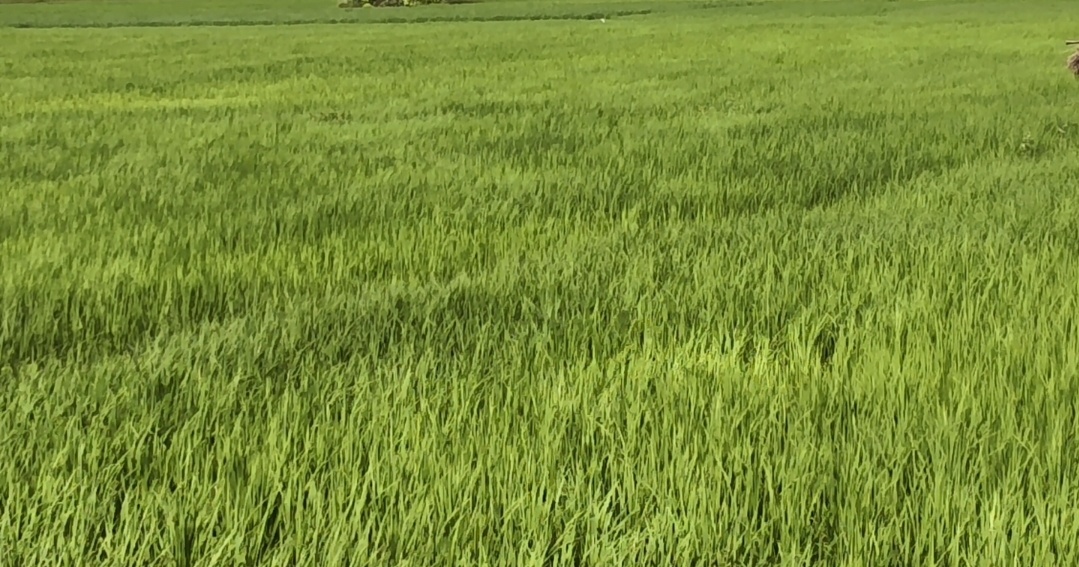
Bhagalpur: The flood situation has raised serious concerns for farmers growing GI-tagged Katarni rice in Bhagalpur and adjoining areas. Around 2,099 acres of Katarni paddy fields in Bhagalpur, Banka and Munger districts have reportedly remained submerged in floodwater for the past 10 days.
From a distance, the water spread across the fields with patches of green crops may appear scenic. For farmers, however, the same view represents the threat of losing months of hard work and facing a major financial crisis.
The fragrant Katarni rice, which has a Geographical Indication (GI) tag and is closely associated with the agricultural identity of Bhagalpur, is currently submerged in standing water. With strong sunshine continuing, farmers are concerned that the water may not recede quickly.
Crop Damage Risk Rises
Farmers fear that prolonged waterlogging will cause the paddy crop to rot and deteriorate completely. The plants have already been under water for several days, increasing the possibility of extensive damage.
According to farmers, they have invested heavily in seeds, fertilisers, irrigation, labour and other agricultural activities involved in Katarni cultivation. Months of hard work are now at risk because of the prolonged waterlogging.
Farmers have also raised concerns about relief after natural disasters. They allege that assistance provided by the government is sometimes taken by fake or ineligible farmers, preventing actual victims from receiving the support they need.

Katarni Rice Linked to Region’s Agricultural Identity
Katarni rice is known for its distinctive aroma, taste and quality and has gained recognition in India and abroad. The soil, climate and traditional farming practices of Bhagalpur and surrounding areas are considered favourable for its cultivation, contributing to its GI recognition.
The current crisis therefore goes beyond the potential financial losses faced by individual farmers. Farmers say prolonged submergence could also affect the region’s agricultural identity and the legacy associated with Katarni rice.
Farmers Seek Drainage and Compensation
Farmers dependent on agriculture say a significant portion of their household income comes from Katarni rice cultivation. If the crop is destroyed, the losses could directly affect household budgets as well as preparations for the next agricultural cycle.
Farmers have urged the administration to arrange for the quick drainage of floodwater and conduct an accurate assessment of the actual crop damage. They have also demanded appropriate compensation for farmers whose crops have been affected.