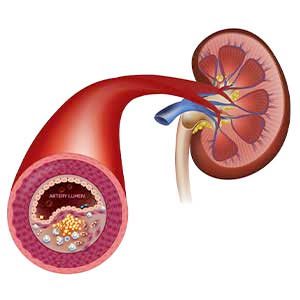
India News : When kidney function is impaired, it often impacts blood pressure, leading to a condition called renal hypertension. This is not just a blood pressure problem — it is a major risk factor for heart disease and kidney damage. The good news is that timely lifestyle changes and medical care can help keep it under control.
Experts warn that untreated renal hypertension can progress to heart disease or even kidney failure. Regular check-ups and lifestyle modifications are therefore essential. The first step is dietary control. High salt intake raises blood pressure, so a low-sodium diet is crucial. Foods rich in potassium — such as bananas, oranges, and leafy greens — help balance blood pressure. On the other hand, packaged snacks, instant noodles, and frozen foods can worsen hypertension.
Daily exercise is another powerful tool. Just 30 minutes of brisk walking, jogging, or swimming at least 5 days a week strengthens the heart and helps lower blood pressure. Starting slow and gradually increasing intensity is recommended.
In some cases, diet and exercise alone may not be enough, and medications are required. Diuretics (“water pills”) help the body flush out extra salt and water, while calcium channel blockers relax blood vessels, lowering pressure.

Maintaining a healthy weight is equally important, as excess weight increases strain on both the heart and kidneys. Even modest weight loss can make a significant difference. A balanced diet, regular physical activity, and disciplined lifestyle habits not only control blood pressure but also improve overall energy and wellbeing.