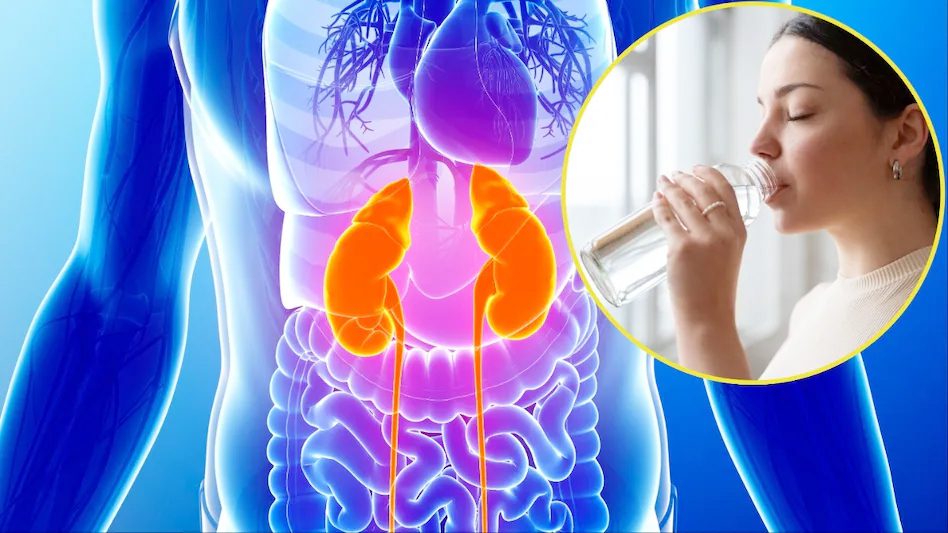
More News : During winter, many people tend to ignore their thirst due to the cold weather. While this habit may seem harmless, health experts warn that drinking less water can have serious consequences for the kidneys, one of the body’s most vital organs. Water not only keeps the body hydrated but also plays a crucial role in flushing toxins and waste from the blood through urine.
According to doctors, adequate water intake ensures proper blood flow to the kidneys, allowing them to filter waste efficiently. However, when the body enters a state of dehydration, kidney function begins to decline. Reduced blood flow makes it difficult for the kidneys to eliminate waste, leading to concentrated and darker urine.
Medical experts explain that dehydration increases the concentration of minerals and salts in urine. Over time, these substances can crystallize and form kidney stones, a condition that causes severe pain and may even require surgical intervention. In addition, insufficient water intake prevents the body from flushing out harmful bacteria, significantly increasing the risk of urinary tract infections (UTIs). If left untreated, UTIs can spread to the kidneys and impair their functioning.
Severe dehydration can lead to a drastic reduction in blood supply to the kidneys, resulting in acute kidney injury or sudden kidney failure. In extreme cases, this condition can become life-threatening within hours or days. Doctors also caution that repeated dehydration places continuous strain on the kidneys, raising the risk of chronic kidney disease. This progressive condition can eventually require dialysis or a kidney transplant.

Health specialists recommend that a healthy adult should drink at least 8 to 10 glasses of water daily to maintain proper kidney function and prevent toxin buildup. Dehydration is not caused only by low water intake but can also occur due to vomiting, diarrhea, excessive sweating, high fever, alcohol consumption, certain medications, or intense physical activity.
Common signs of dehydration include dark yellow urine, reduced urination, fatigue, dizziness, headaches, dry mouth and lips, and rough skin. Experts advise that these symptoms should never be ignored. Even in winter, people should drink water at regular intervals, regardless of whether they feel thirsty, to keep their kidneys healthy in the long run.