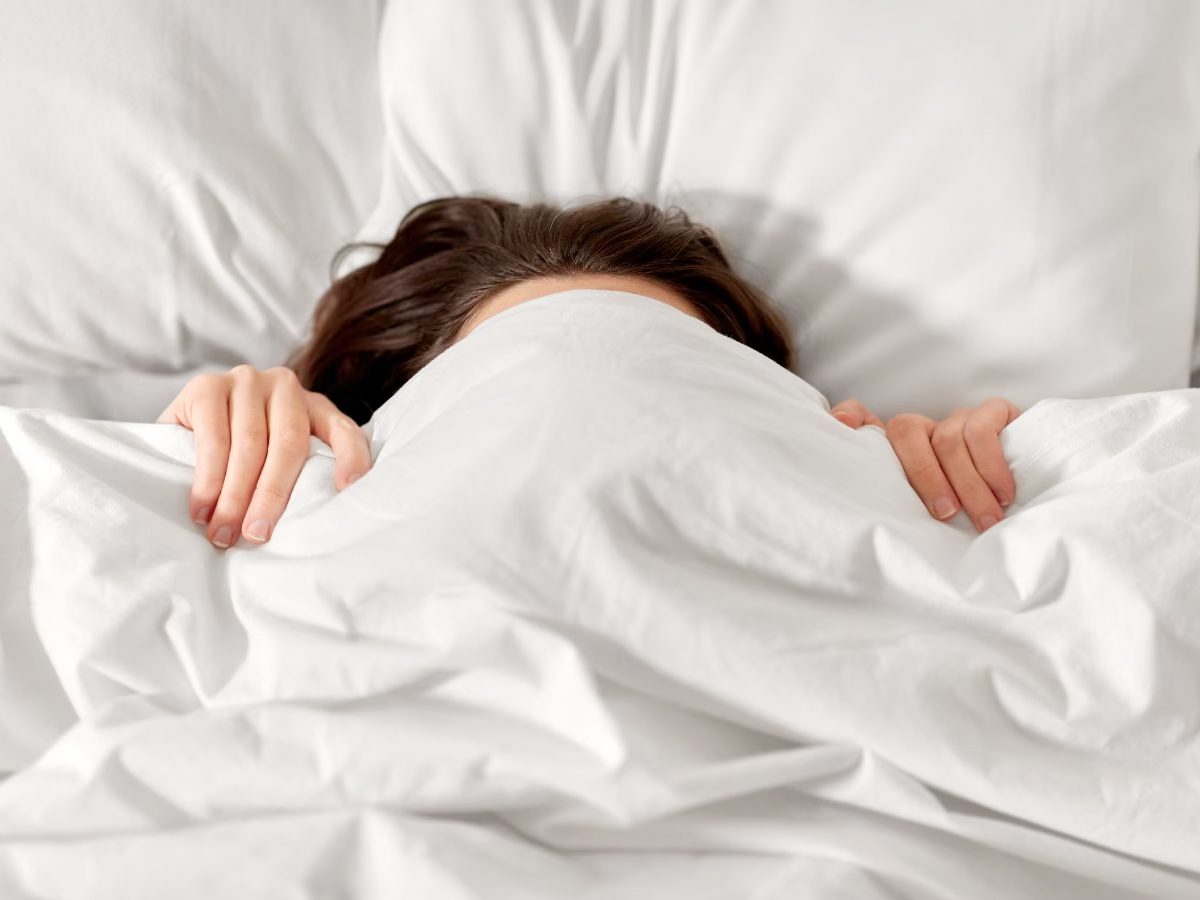
More News : Sleeping with the face covered by a blanket during winter may feel comfortable, but health experts warn that this habit can pose serious long-term health risks. Covering the mouth and nose while sleeping can reduce oxygen levels in the body, leading to breathing difficulties, mental stress, fatigue, and in extreme cases, life-threatening conditions.
According to experts, when a person sleeps with their head and face completely covered, they repeatedly inhale the same air throughout the night. This air contains increased levels of carbon dioxide and reduced oxygen, depriving the body and brain of sufficient oxygen. As a result, symptoms such as dizziness, headaches, tiredness, confusion, and difficulty concentrating may occur.
Studies have also suggested that prolonged oxygen deprivation during sleep may increase the risk of memory-related disorders such as Alzheimer’s disease and dementia. The habit is considered particularly dangerous for people suffering from sleep apnea. Covering the face can further restrict airflow, causing breathing to stop temporarily during sleep. In some cases, this pause in breathing may last up to a minute, forcing the person to wake up abruptly in distress.
Low oxygen levels can also put extra strain on the heart. For individuals with existing heart conditions, lung diseases, or high blood pressure, this habit may significantly increase the risk of heart attack. Additionally, breathing inside a blanket or pressing the face into a pillow can create a suffocation-like situation due to reduced airflow.

Health specialists advise that while it is fine to pull a blanket up to the head to stay warm, the nose and mouth should always remain uncovered to ensure proper airflow. If the cold feels intense, safer alternatives include using a room heater cautiously, wearing warm clothing, or improving room insulation.
Experts emphasize that what seems like a harmless winter habit can unknowingly lead to serious health complications. Therefore, changing this sleeping habit in time is essential for maintaining overall health and safety during the cold season.