Jharkhand News : Jharkhand is set to reuse nearly 45,000 hectares of coal mining land, a move that could play a crucial role in India’s journey toward its net-zero carbon emission target. By leveraging traditional energy assets and promoting low-carbon industrial pathways, the state can unlock major economic and environmental benefits.
According to a study by Delhi-based research institute International Forum for Environment, Sustainability and Technology (iFOREST), Jharkhand holds significant potential for industrial transformation across coal mining, power generation, steel, automobiles, and other key sectors.
11,000 Hectares of Land Immediately Available
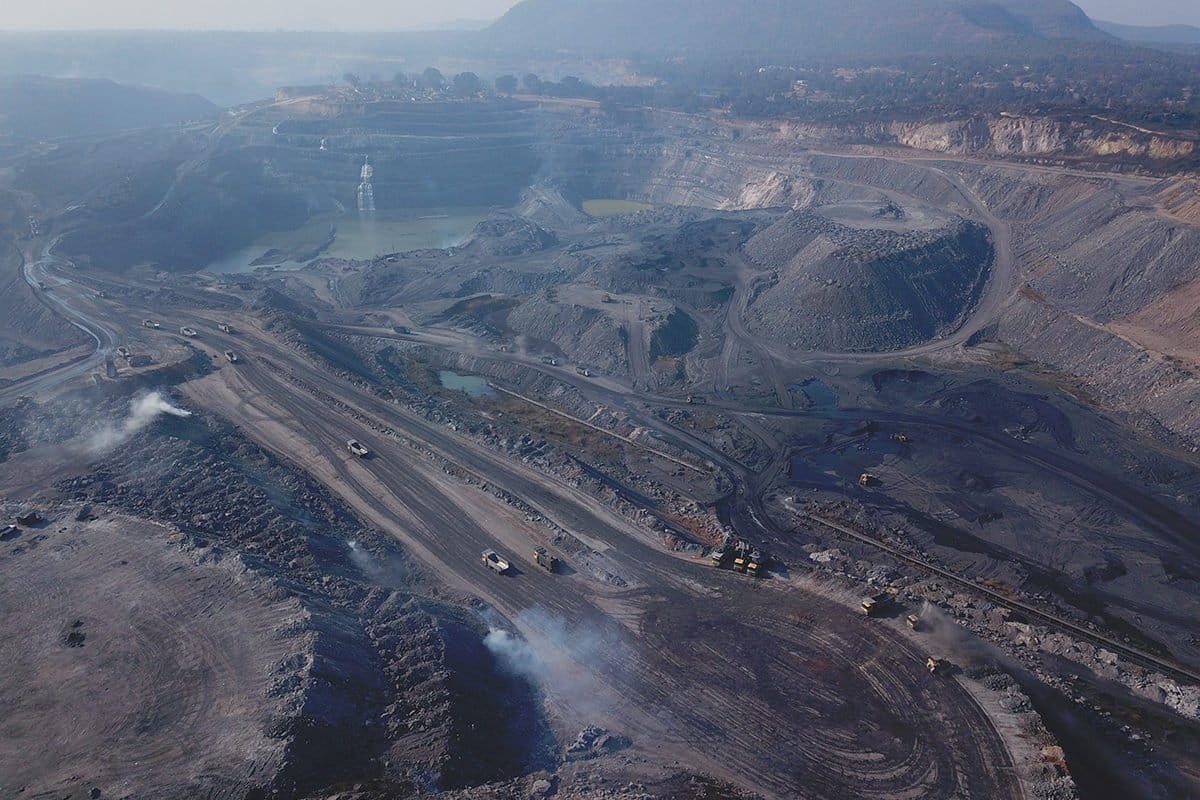
The study highlights that more than 11,000 hectares of land from closed and non-operational coal mines is immediately available for redevelopment. Overall, around 45,000 hectares of mining land could be planned for reuse over the next five to ten years.
Opportunities for Green Energy and Employment
This land can be repurposed for renewable energy projects, green manufacturing, logistics, and allied activities, opening up large-scale opportunities for green investments. The initiative is expected to support economic diversification and job creation, especially in coal-dependent districts.
DMF Funds to Support Transition
Jharkhand has a strong financial base to support this transition, with ₹16,977 crore accumulated in the District Mineral Foundation (DMF). These funds can be utilized in the early stages to finance livelihood diversification, skill development, and welfare initiatives aligned with a just and balanced energy transition.

Many Mines Near End of Life
The report notes that nearly 60 percent of coal mines in the state are approaching the end of their mining life, due to depletion of extractable reserves and declining economic viability. Planned reuse of mining land could unlock large land parcels in districts such as Dhanbad, Bokaro, and Ramgarh over the next decade.
Experts believe that timely planning and strategic investment can turn Jharkhand’s coal transition into a major opportunity for green growth and sustainable employment, positioning the state as a key player in India’s low-carbon development pathway.