India News : Air pollution has become India’s most serious public health crisis after the Covid-19 pandemic, senior Indian doctors working in the United Kingdom have warned. According to medical experts, pollution will have long-term consequences for public health and place a heavy burden on the country’s healthcare system if urgent action is not taken.
Pulmonologist Dr. Manish Gautam, a consultant based in Liverpool and a former member of India’s Covid-19 advisory committee, said the government’s renewed focus on air pollution is necessary but long overdue. With over 20 years of experience in the UK’s National Health Service, Dr. Gautam said existing pollution-control measures are no longer sufficient to reverse the damage already done, especially in northern India.
He noted that many cases of heart disease over the past decade have been attributed to obesity, while the role of toxic emissions from vehicles and aircraft has often been overlooked. “Treatment alone addresses only a small part of the problem,” he said, adding that millions of people have already suffered long-term health impacts.
Early Symptoms Often Ignored
Cardiologist Dr. Rajya Narayan from St George’s University Hospital, London, said strong scientific evidence links air pollution to cardiovascular, respiratory, neurological and other chronic illnesses. He warned that delays in policy action would increase both health risks and economic costs.
According to Dr. Narayan, symptoms such as headaches, fatigue, mild cough, throat irritation, digestive problems, dry eyes, skin rashes and frequent infections are often ignored, even though they may signal serious underlying conditions caused by pollution exposure.
Invisible Threat of Fine Particles
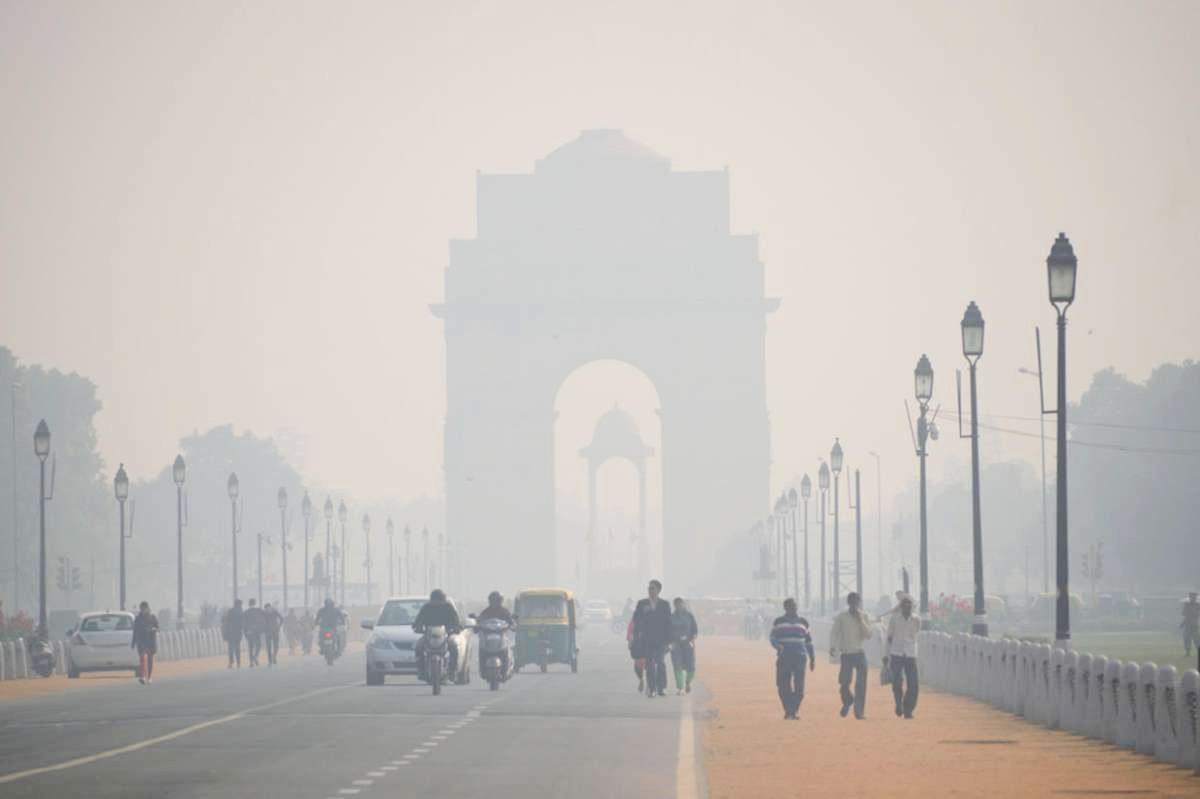
Professor Derek Connolly, Consultant Cardiologist at Midland Metropolitan University Hospital in Birmingham, said fine particulate matter (PM2.5) poses a constant risk even when skies appear clear. “Heart disease develops slowly, but sudden deterioration is common,” he explained. Since particulate matter cannot be seen or easily measured like blood pressure or cholesterol, people often underestimate its danger.

Doctors reported a 20–30% rise in respiratory patients at Delhi hospitals in December, including many young people and first-time patients. A significant portion of pollution-related illnesses, they said, remains undiagnosed and untreated.
17 Lakh Deaths Linked to Pollution
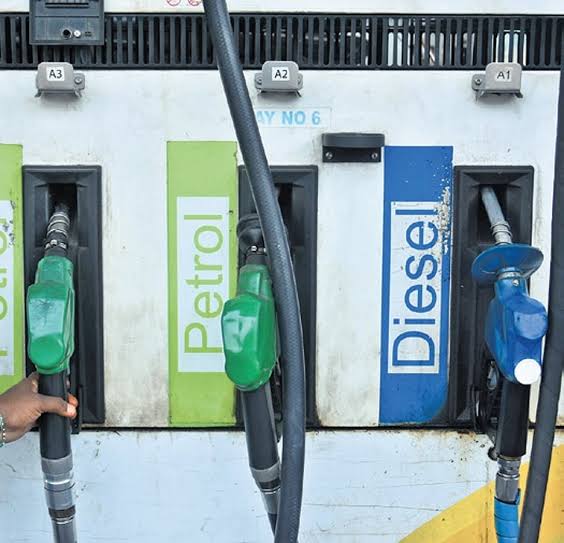
According to the Lancet Countdown on Health and Climate Change 2025 report, more than 1.7 million deaths in India in 2022 were linked to PM2.5 pollution. Of these, 2.69 lakh deaths were associated with petrol-powered road transport.
A global study by the International Council on Clean Transportation, published in May, stated that stricter vehicle emission policies could save 1.9 million lives worldwide by 2040 and prevent 1.4 million new cases of childhood asthma.
Doctors emphasized that without immediate, large-scale interventions, air pollution will continue to worsen India’s health crisis year after year.