World News : In a major move to strengthen online safety for children, the Australian government has announced that YouTube will now be banned for users under the age of 16. This new restriction adds YouTube to the list of already banned social media platforms such as Facebook, Instagram, TikTok, Snapchat, and X (formerly Twitter) for minors.
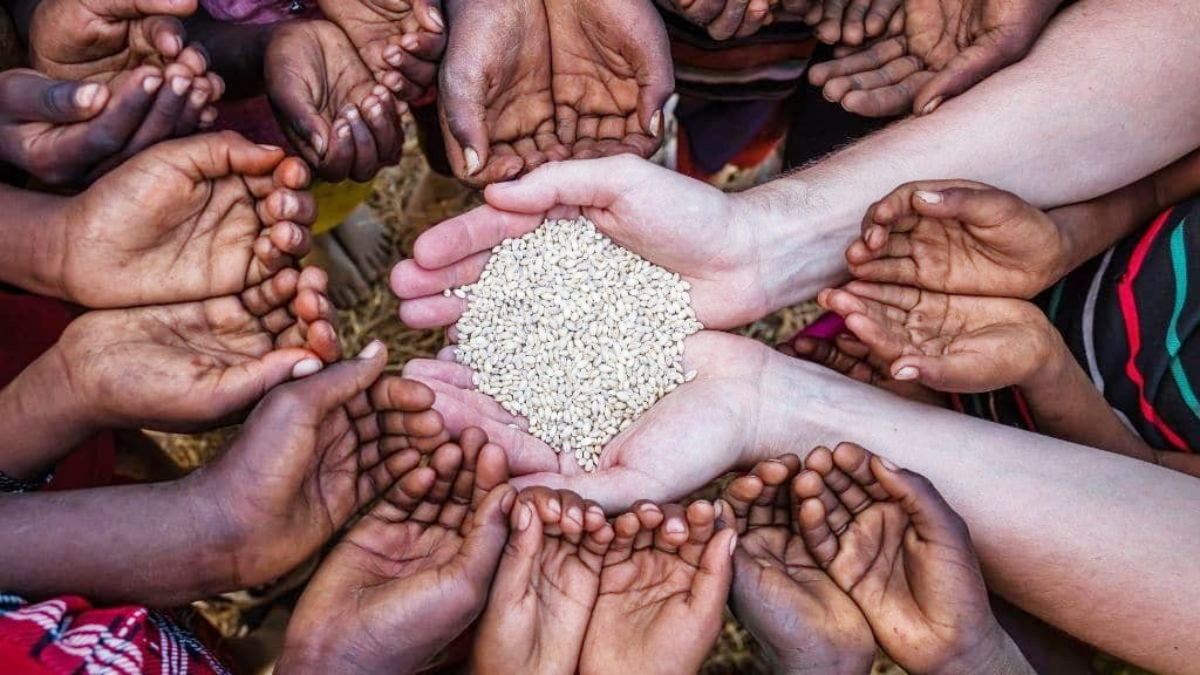
$500 Annual Cash Aid per Child to Boost China’s Population
The new regulation will come into effect from December 10, 2025. However, YouTube Kids, a separate platform designed for children, will remain exempt from the ban. YouTube Kids offers child-friendly content but does not allow kids to upload videos, making it a safer alternative.
According to the Australian government’s guidelines, if children under 16 are found to have accounts on YouTube or any other restricted social media platform, legal action may be taken against the parents or the platform involved. The goal is to ensure that children stay protected from harmful online content and exposure.
Speaking on the decision, Communications Minister Anika Wells said that the inclusion of YouTube in the banned list is based on advice from the e-Safety Commissioner. She emphasized that the government cannot ignore the fact that 4 out of 10 Australian children reported being negatively impacted by YouTube content. Wells added that the government would not be intimidated by tech giants and that the safety of children and support for parents is the top priority.
The Australian government has positioned this move as a proactive measure to address the growing concerns of digital well-being and mental health among children. The new policy is part of a broader effort to make the online environment safer and more accountable.

Notably, Australia is the first country in the world to pass such comprehensive legislation restricting social media usage for minors. The bill was approved by the Australian Parliament in November last year, with support from both the ruling party and the opposition—an unusual display of bipartisan agreement.
The government believes this bold step will not only protect millions of children across the country but could also serve as a model for other nations struggling with similar issues related to children’s online exposure.