India News : The Monsoon Session of Parliament began on Monday, but proceedings in the Lok Sabha were disrupted within minutes due to a strong uproar by the opposition. The session was adjourned until 2 PM as opposition leaders raised slogans demanding a discussion on several national issues.
Natural Jalabhishek by Bagmati and Lakhandey Rivers in Sawan
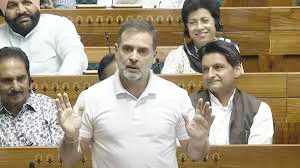
Following the adjournment, Leader of the Opposition and Congress MP Rahul Gandhi made a sharp allegation against the government, stating that he was being denied his democratic right to speak in the House.
Addressing the media, Rahul Gandhi said, “The issue is simple — government ministers, including the Defence Minister, are allowed to speak in the House, but if the opposition leader wants to raise important national concerns, he is not permitted. I am the Leader of the Opposition. It is my right to speak, and I am being denied that right.”
He further added that the parliamentary process would remain incomplete until all sides were given an equal opportunity to express themselves. “Democracy requires space for every voice, including dissenting ones. If only one side speaks, it’s not democracy,” he remarked.
Supporting his statement, Congress leader Priyanka Gandhi Vadra also criticized the government’s stance. She said, “If the government is truly ready for discussion, then opposition leaders must be allowed to speak in the House. Silencing voices won’t resolve national issues.”

The opposition has been demanding debates on several critical matters — including the situation in Manipur, recent police actions against farmers in Haryana, and the increasing terror incidents in Jammu & Kashmir. They argue that these are pressing national concerns that deserve urgent and open parliamentary discussion.
While Parliamentary Affairs Minister Kiren Rijiju earlier stated that the government was willing to discuss all topics under parliamentary rules and traditions, Monday’s disruption raised serious concerns about the session’s effectiveness.
The Monsoon Session is scheduled to run from July 22 to August 21, during which several key bills and issues are expected to be discussed — provided both sides reach a consensus on procedural norms.