Calls Lijjat Papad model an inspiring example of women’s empowerment and self-reliance; stresses promotion of cottage industries
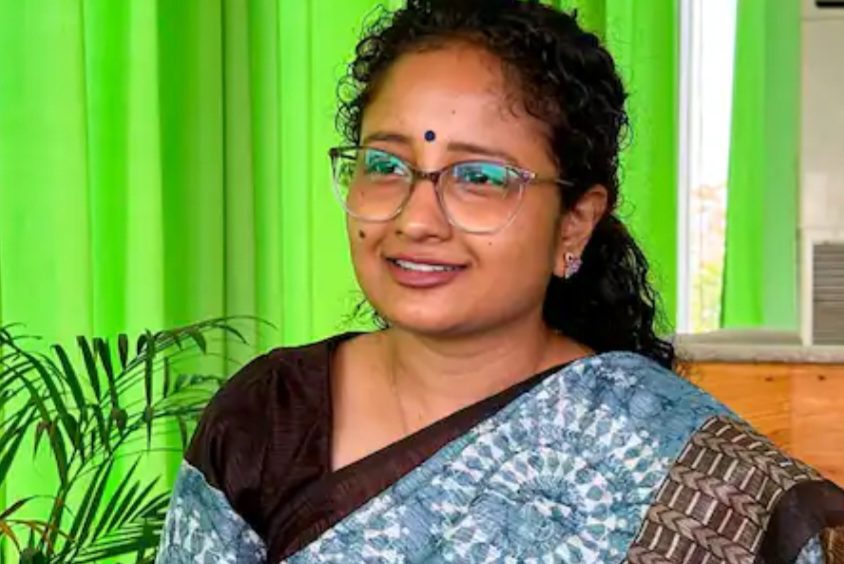
Jharkhand News : Gandey MLA and Chairperson of the Jharkhand Assembly’s Women and Child Development Committee, Kalpana Soren, has emphasized the importance of collective action, self-reliance, and cooperative models in empowering women, stating that decentralized production systems can play a crucial role in strengthening the rural economy. She described the renowned cooperative enterprise Shri Mahila Griha Udyog Lijjat Papad as a successful and inspiring example of women’s empowerment.
In a post shared on social media platform X on Wednesday, Soren referred to the concept of “Sanghe Shakti Kaliyuge” (unity is strength in the present age) and said that Lijjat Papad is not merely a business enterprise but a powerful movement of collective effort, confidence, and economic independence that has transformed the lives of millions of women.
She said she had the opportunity to visit the Dabbawala International Experience Centre in Mumbai during the Jharkhand Assembly Women and Child Development Committee’s exposure visit to Maharashtra. Observing the working model of Mumbai’s famed dabbawalas, who have earned global recognition over nearly 135 years for their discipline, punctuality, and service excellence, was a highly inspiring experience, she noted.
According to Soren, the dabbawalas demonstrate how collective coordination and organizational discipline can efficiently deliver meals to millions of people every day despite limited resources, making them a remarkable example of teamwork and work culture.
Highlighting the success of the Lijjat Papad cooperative model, she said it has provided millions of women with dignified livelihoods, social recognition, and economic independence. Such cooperative initiatives, she added, possess immense potential to bring about both economic and social transformation.
Soren particularly praised the concept of distributed or decentralized production, saying it enables women to work from their homes or local communities while balancing family responsibilities. This, she said, allows them to become economically empowered without having to leave their households.

She noted that the model could be especially beneficial in rural and tribal areas, where women often face limited employment opportunities. By creating work closer to home, decentralized production can reduce migration while promoting local resources, traditional skills, and home-based industries.
Calling for greater support for cottage and household industries, Soren suggested that successful cooperative models like Lijjat Papad should be replicated in sectors such as handicrafts, food processing, forest-based products, bamboo industries, and other small-scale enterprises.
She further stated that with adequate training, market access, and financial assistance, women can not only improve their families’ economic conditions but also contribute significantly to local employment generation.
Urging coordinated efforts by governments, non-governmental organizations, and the private sector, Soren said that drafting schemes alone is not enough; effective implementation at the grassroots level is equally important. Promoting cooperative and women-led production systems in a systematic manner, she added, can provide sustainable and dignified livelihoods to rural households.
Notably, Kalpana Soren serves as the Chairperson of the Jharkhand Assembly’s Women and Child Development Committee. The committee is studying successful models from different states related to women’s welfare, child development, and rural empowerment, with the aim of adapting and implementing them in Jharkhand.