India News : A shocking kidney transplant racket uncovered in Kanpur has revealed a deeply organized and well-planned criminal network operating across multiple cities. As the investigation progresses, new details are emerging that highlight the scale and sophistication of the illegal operation.
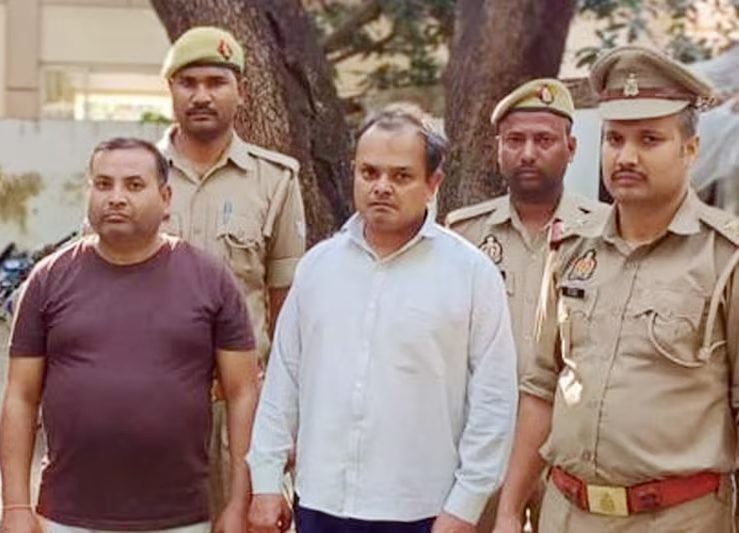
The case gained momentum after the arrest of an OT technician, Rajesh Kumar, in Ghaziabad along with his associate Kuldeep Singh Raghav. During police interrogation, both suspects disclosed critical information about how the network functioned. According to their statements, the racket was not the work of a few individuals but involved a coordinated team with clearly defined roles.
One of the key figures, identified as “Dr. Rohit,” was responsible for administering anesthesia to patients, rendering them unconscious before surgery. Another crucial member, “Dr. Ali,” reportedly traveled from Dwarka in Delhi to carry out the surgical procedures. He handled everything from kidney removal to transplantation.
Rajesh Kumar revealed that Dr. Ali never operated alone. He was accompanied by another doctor and two assistants. The team would arrive at a predetermined time, conduct the surgery, and leave immediately afterward without leaving any trace. To avoid detection, they would split into different vehicles after the operation—one heading toward Ghaziabad and the other toward Lucknow—making it difficult for authorities to track their movements.
Investigators also learned that the origins of this network date back nearly three years, when Rajesh first met Dr. Rohit at a medical seminar. Impressed by Rajesh’s technical skills, Rohit allegedly recruited him into the operation. Over time, Kuldeep also joined the group, and the network became fully active. Since January this year, at least five illegal kidney transplants are believed to have been carried out.
One of the most alarming revelations involves the hospital facilities where these surgeries took place. Just before the operations began, CCTV cameras were deliberately switched off to ensure that no footage was recorded. This indicates a high level of pre-planning aimed at eliminating evidence.

Taxi drivers who transported the doctors told police that the individuals concealed their faces to avoid identification. Payment methods were also strategically planned—cash was used for trips to Ghaziabad to prevent tracking, while online payments were made for vehicles heading to Lucknow. These digital transactions have provided investigators with important leads.
Authorities suspect that some of the doctors involved may have connections with reputed hospitals, raising concerns about a larger, multi-city organ trafficking network. Police teams have been dispatched to Lucknow, Ghaziabad, Meerut, and Dehradun to locate the absconding suspects.
The investigation is currently focused on “Dr. Rohit,” believed to be the central figure who connected all members of the network. His arrest is considered crucial to uncovering the full extent of the racket. Officials say the probe is ongoing, and more major revelations are expected soon.