Mores News : The plant-based diet is rapidly becoming the first choice for health-conscious people across the world. For a long time, it was widely believed that adequate protein could only be obtained from eggs, meat and other non-vegetarian foods, but nutrition experts now say this assumption is incorrect. Even vegetarians can easily meet their daily protein requirements through plant-based protein sources.
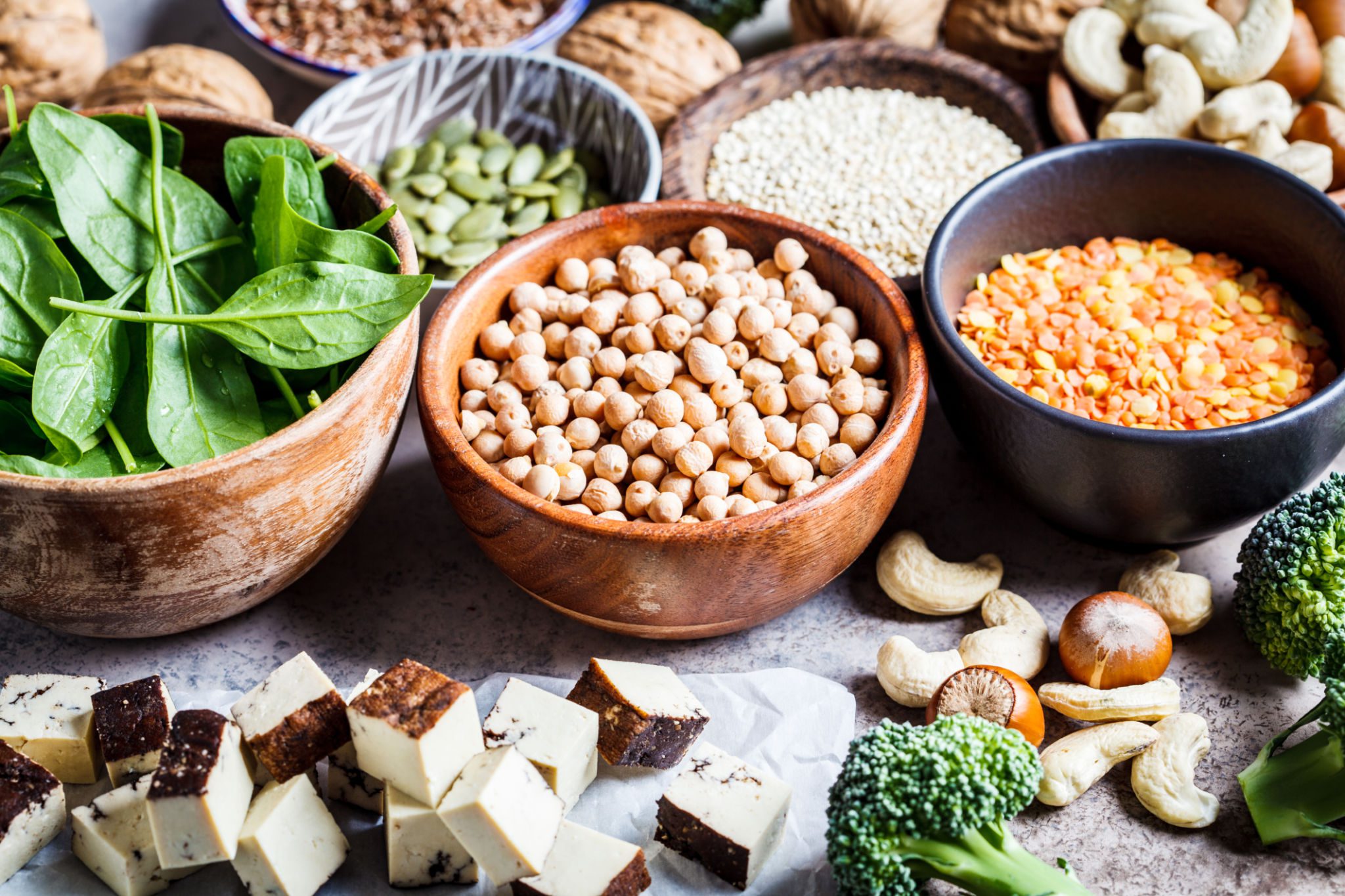
Recent studies suggest that foods like almonds can serve as an excellent source of calcium, while sprouted pulses and lentils provide high-quality protein. Plant-based protein is considered more beneficial for the body because it also contains dietary fiber, which strengthens digestion and supports overall gut health.
In contrast, excessive consumption of milk and animal-based products can sometimes lead to health issues. Many people suffer from lactose intolerance, resulting in gas, indigestion and stomach pain after consuming milk. Similarly, animal protein sources such as red meat, eggs and poultry are often high in cholesterol, which can increase the risk of heart disease and high blood pressure.
Plant-based protein, on the other hand, is completely cholesterol-free and helps keep the body light while providing long-lasting energy. This is one of the main reasons why people in India and across the globe are increasingly shifting away from animal protein towards plant-based alternatives.
Best Sources of Plant-Based Protein
- Pulses and sprouted grains
- Soybeans and tofu
- Nuts and seeds
- Green leafy vegetables
- Raw peanuts
- Whole grains
How Much Protein Do You Need?

According to nutrition experts, an average person should consume protein equal to their body weight in grams.
For example, a person weighing 50 kg should ideally consume around 50 grams of protein per day.
Easy Ways to Include It in Your Diet
- Sprouted moong salad
- Moong dal cheela
- Tofu mixed with vegetables as salad or curry
- Nuts and seeds as healthy snacks
Experts believe that adopting a plant-based diet not only fulfills nutritional needs but also helps prevent lifestyle-related diseases, making it a sustainable and healthy choice for the future.